

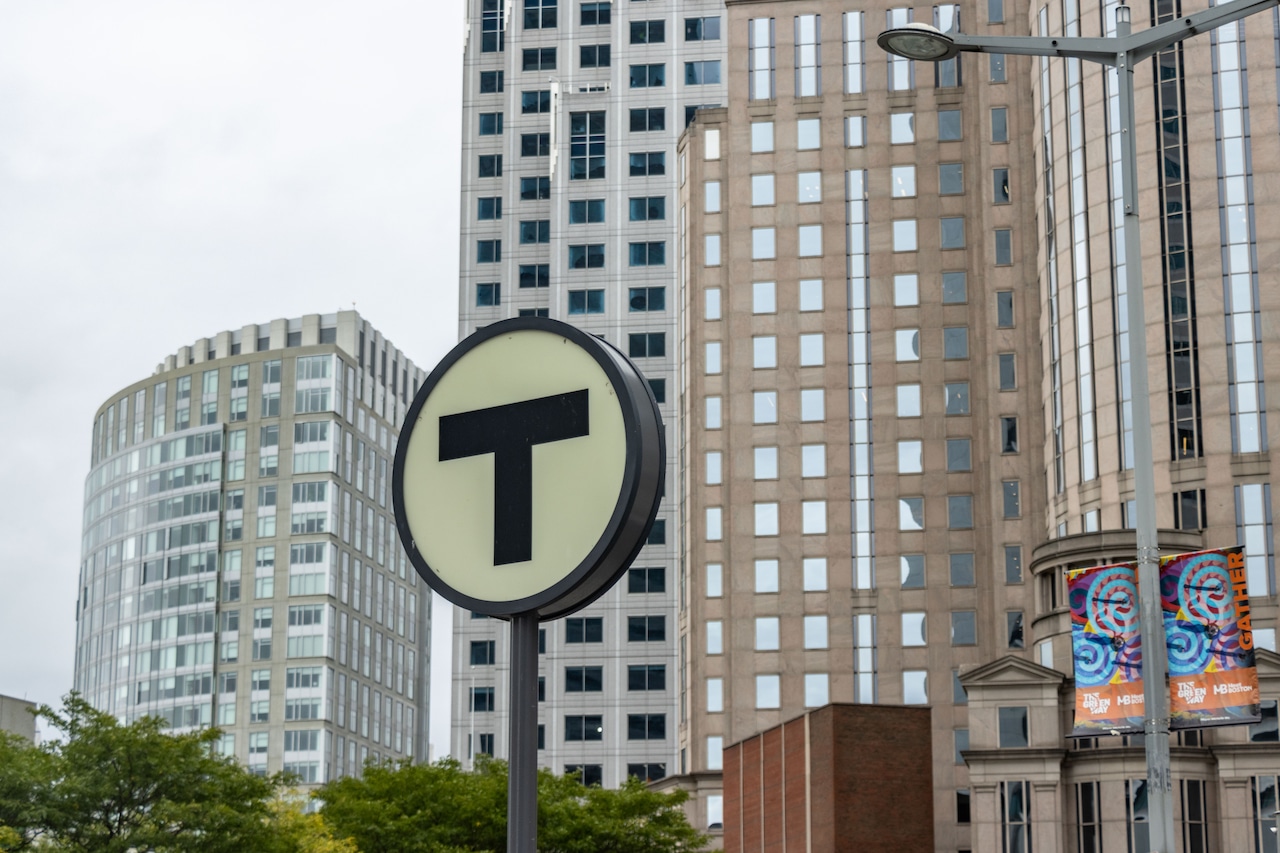
As the final hours before the deadline for many towns to comply with the MBTA Communities Act tick down, some are still holding out against the state’s requirements.
While some small communities have until the end of the year, most of the 177 cities and towns included under the 2021 law have until Monday, July 14, to implement new zoning allowing multifamily housing.
But as of Friday, 14 had yet to do so, with several explicitly avoiding following the guidelines.
The MBTA Communities Act requires cities and towns served by the MBTA to have at least one zoning district where multifamily housing is allowed by right. Its goal is to make it easier for developers to create new housing, relieving pressure on the expensive local housing market.
In a January ruling, the Supreme Judicial Court upheld the law as constitutional and mandatory. However, the court said the compliance guidelines had not gone through the correct legal process and were, therefore, unenforceable.
Soon after, the state has released new, emergency guidelines, giving the 28 towns that had not met their original deadlines until July 14 to comply. They were required to submit an action plan to achieve compliance by Feb. 13, which three towns — Halifax, Marshfield and Middleton — still have not done.
After the deadline, noncompliant communities will be ineligible for many state grants and could also see further enforcement action. Previously, Attorney General Andrea Campbell sued the town of Milton to force it to comply, though she has repeatedly said she does not want to use legal action to force compliance.
Milton has since approved a new zoning plan meant to follow the guidelines, though according to the state’s tracking page, the town had not officially submitted the plan as of Friday. Of the 27 other towns given the July deadline, Duxbury, Georgetown, Ipswich, Middleborough, Millbury, North Reading, Raynham, Rowley, Saugus and Wenham have all approved zoning meant to satisfy the law’s requirements. In addition, Norton has been deemed fully compliant.
Last month, lawsuits against the state brought by nine of the remaining towns were dismissed when a Plymouth Superior Court judge ruled that the law was not an “unfunded mandate.” Under the Local Mandate Law, since 1980, any state law or regulation that would impose more than “incidental administration expenses” on local governments must either be fully funded by the state or be conditional on local acceptance of the rule.
In February, State Auditor Diana DiZoglio’s office released an opinion that the MBTA Communities Act fell under this law. Though DiZoglio’s ruling was nonbinding, it prompted the suits from Duxbury, Hanson, Holden, Marshfield, Middleton, Wenham, Weston and Wrentham, along with another by residents of Hamilton.
“The Superior Court confirmed what has long been clear: a state law requiring multi-family housing districts in communities served by public transportation, but leaving the details and location of those districts to the municipalities themselves, permissibly addresses our housing shortage while still preserving substantial local discretion,” Campbell said after the suits were dismissed.
Since then, the Wrentham Select Board and town manager Michael King have indicated they intend to follow the law, though the town has not yet passed new zoning.
“Having pursued the case to a logical conclusion, the Select Board considered all various options, including appeal, and has determined that the most prudent and cost-effective option is to move forward while working proactively to manage future growth in a way that reflects the community’s values and priorities,” King and the Select Board wrote in a post on the town website. “This decision also ensures that Wrentham remains eligible for key state funding opportunities that support infrastructure, public safety, education and other services critical to residents’ quality of life.”
Weston is also working on zoning, with the Select Board writing in a letter to Secretary of Housing and Livable Communities on Wednesday that they were “diligently working to achieve compliance” and intended to bring a proposal to town meeting in October.
But still, other towns are holding out. Town meeting voters in Dracut, East Bridgewater, Freetown and Wilmington all turned down zoning proposals drafted to follow the law, while in Tewksbury, the town’s Planning Board voted not to even bring a zoning proposal to a town meeting vote. In Winthrop, the Town Council failed to support the Planning Board’s proposal with a split 4-4 vote on June 17.
As recently as Tuesday, voters in Marblehead narrowly overturned the new zoning map that had already been approved in a town-wide referendum, with 52% voting against it, according to unofficial results.
“This is not the outcome we were hoping for today, but our work is not finished,” Marblehead Housing Coalition Chair Peirce Law told the Marblehead Current. “Long-term noncompliance is not an option, and we fear for the repercussions that Marblehead may soon face.”
If you purchase a product or register for an account through a link on our site, we may receive compensation. By using this site, you consent to our User Agreement and agree that your clicks, interactions, and personal information may be collected, recorded, and/or stored by us and social media and other third-party partners in accordance with our Privacy Policy.




