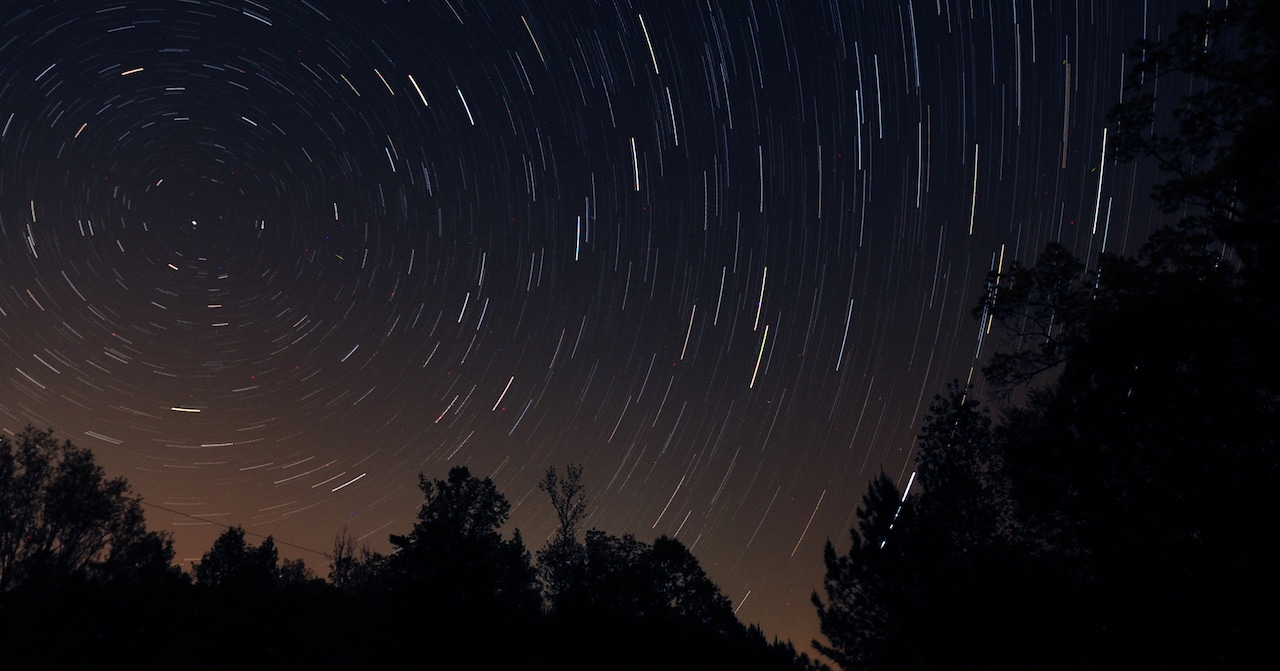
The Lyrid meteor shower, a celestial event first seen thousands of years ago, is about to streak through the night sky in April.
First observed in China in 687 B.C.E., the Lyrid meteor shower should begin on April 17, reach its peak between April 21 and 22, and end on April 26, according to NASA.
On average, 18 meteors per hour can appear during its peak timeframe, the space agency stated. But the Lyrids are known to be fast and bright, as fast as 29 miles per second, with the potential for 100 meteors per hour being seen. Such instances were logged in Virginia in 1803, Greece in 1922, Japan in 1945 and in the United States in 1982.
“Lyrids don’t tend to leave long, glowing dust trains behind them as they streak through the Earth’s atmosphere, but they can produce the occasional bright flash called a fireball,” NASA said.
The meteor shower should be visible at a radiant point, or a place in the night sky where the comets appear to come from, astronomers said. The Lyrids should appear to come from the direction of its namesake constellation, Lyra the harp.
More specifically, the meteor shower should appear closest to the brightest star in the constellation, Vega, a star 25 light-years from Earth, Space.com wrote.
The best time to see the Lyrids in the Northern Hemisphere is during the darkest hours of the day, after moonset and before dawn, according to NASA. In order to see the meteor shower, look for an area that’s away from city or street lights, bring a sleeping bag, blanket or lawn chair and face east while looking up.
“After about 30 minutes in the dark, your eyes will adapt and you will begin to see meteors,” NASA advised. “Be patient – the show will last until dawn, so you have plenty of time to catch a glimpse.”