
Many beaches across Massachusetts are closed to the public on Saturday, Aug. 23, mostly due to excess bacteria, according to the Department of Public Health (DPH).
In total, 58 beaches are closed to the public, most of them due to high levels of bacteria in the water. This includes Smith Beach in Braintree, Sesachacha Pond in Nantucket and Donovans in Winthrop.
Other beaches closed off on Saturday were due to harmful cyanobacteria, or algae, blooms. Algae produce toxins in the water and can cause harm to people and animals who enter the water.
These blooms have caused beaches to close, including Chicopee Beach in Chicopee, Centennial Grove in Essex and Seymour Pond in Harwich, according to the DPH.
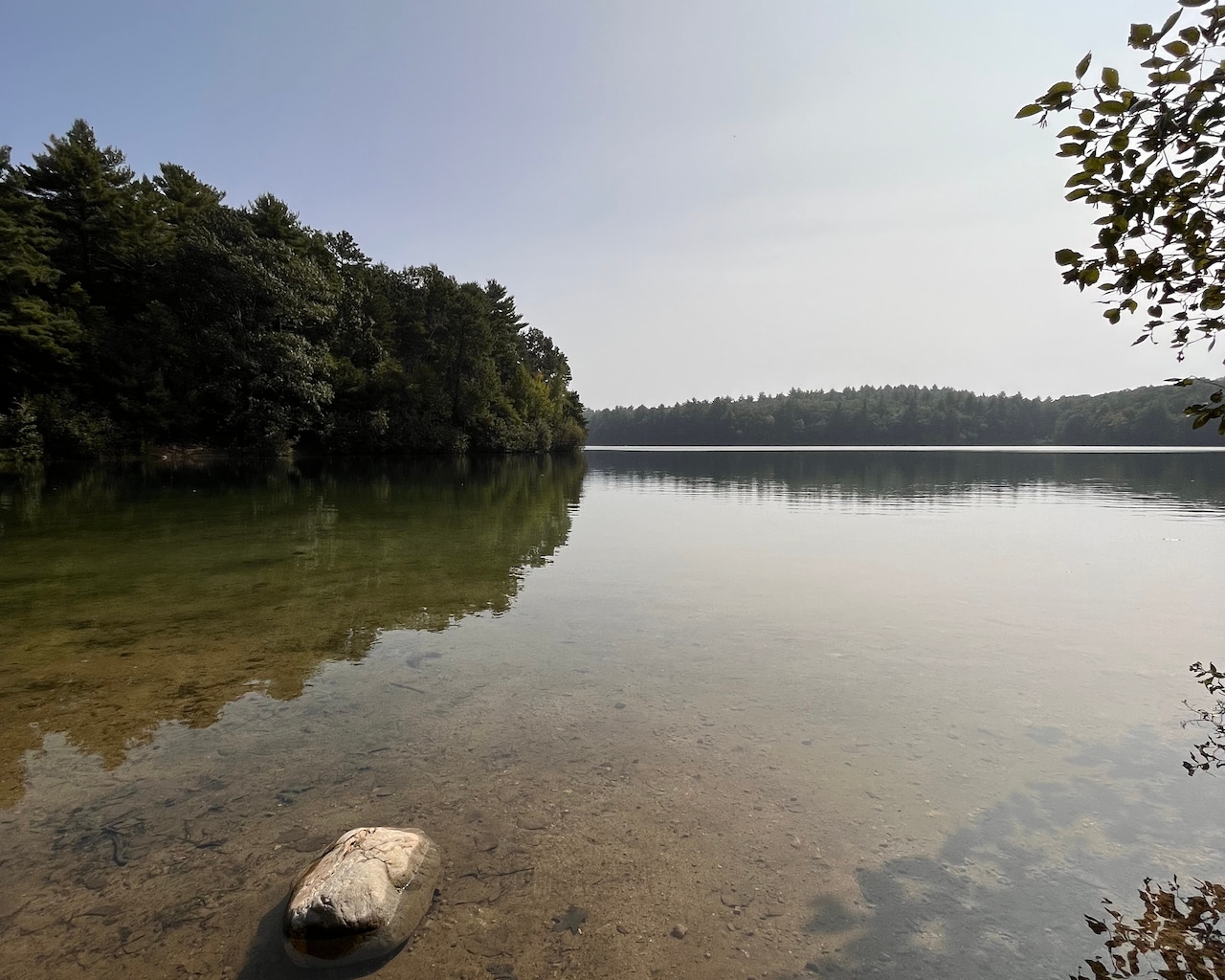
Another closure at Walden Pond State Reservation in Concord is due to ongoing construction on a new, $6.1 million bathhouse that will last all of summer 2025. Red Cross Beach at Walden Pond will remain open with no lifeguards.
Falmouth officials announced Wednesday, Aug. 13, that rare, potentially deadly bacteria were found in waters off its coast, after a person with an open wound became infected. These bacteria, Vibrio vulnificus, were found at Old Silver Beach. Despite the discovery, no advisory has been placed at the beach and the beach remains open to the public.
Here is the full list of beach closures and reasons for closing on Saturday:
- Amesbury: Glen Devin Condominiums- excess bacteria
- Beverly: Woodbury- excess bacteria
- Billerica: North and south side of Micozzi Beach at Nutting Lake- excess bacteria
- Boston: Tenean- excess bacteria
- Braintree: Smith Beach- excess bacteria
- Chicopee: Chicopee Beach- harmful cyanobacteria bloom
- Concord: Walden Pond- Main-other
- Danvers: Sandy Beach- excess bacteria
- Essex: Centennial Grove- harmful cyanobacteria bloom
- Framingham: Learned Pond Beach- excess bacteria
- Saxonville Beach- excess bacteria
- Franklin: Chilson Beach- excess bacteria
- Georgetown: American Legion Park- excess bacteria
- Harwich: Seymour Pond- harmful cyanobacteria bloom
- Holden: Eagle Lake- excess bacteria
- Holliston: Pleasure Point- harmful cyanobacteria bloom
- Stoddard Park- harmful cyanobacteria bloom
- Lynn: Kings on Eastern Ave., Kimball Road and Pierce Road- excess bacteria
- Mashpee: Santuit Pond at Bryants Neck and Town Landing- harmful cyanobacteria bloom
- Nantucket: Sesachacha Pond- excess bacteria
- Natick: Cochituate State Park Beach- harmful cyanobacteria bloom
- Memorial Beach (Dug Pond) at Wading- excess bacteria
- New Marlborough: York Lake Beach- excess bacteria
- North Andover: Frye Pond Beach- excess bacteria
- Oxford: Carbuncle Pond- harmful cyanobacteria bloom
- Stevens Pond-Center- excess bacteria
- Quincy: Merrymount- excess bacteria
- Wollaston via Channing Street, Milton Street, Rice Road and Sachem Street- excess bacteria
- Revere: Short- excess bacteria
- Salem: Wally and back end of Children’s Island- excess bacteria
- Ocean Avenue- excess bacteria
- Saugus: Pearce Lake at Breakheart Reservation- excess bacteria
- Sharon: Community Center Beach- excess bacteria
- Southwick: South Pond Beach- excess bacteria
- Springfield: Right side of Bass Pond- excess bacteria
- Right side of Camp Wilder- excess bacteria
- Right side of Paddle Club-harmful cyanobacteria bloom
- Tisbury: Hilman’s Point- excess bacteria
- Townsend: Pearl Hill Pond Beach- excess bacteria
- Wareham: Shangria-La- harmful cyanobacteria bloom
- Webster: Lakeside- harmful cyanobacteria bloom
- Memorial Beach Location 1 and Location 2- harmful cyanobacteria bloom
- Wilmington: Center and right part of Wilmington Town Beach- excess bacteria
- Winchendon: Lake Dennison State Park’s Day Use Beach and North Camp Beach- excess bacteria
- Winthrop: Donovans- excess bacteria
- Halford- excess bacteria
- Winthrop Beach- excess bacteria
Bacteria in the water can come from a variety of sources, including:
- Stormwater (rain) run-off
- Failing or malfunctioning septic systems
- Combined and sanitary sewer overflows
- Leaking sewer pipes
- Illegal sewer hookups
- Wildlife and pet waste
- Agricultural runoff
In order to ensure beaches are safe for swimming, the DPH tests the waters anywhere from daily to monthly, depending on how likely the beach is to have water quality issues and its popularity.
If a beach is used often or is prone to water quality issues, then it’s tested more often and vice versa, the DPH wrote.
Beaches remain closed until laboratory analysis shows bacteria levels are within the acceptable range for safe swimming.
“Laboratory analysis for all beach samples takes approximately 24 hours,” according to the department’s website. “So it is common for a beach closure to last a day or two following an exceedance.”
Swimming in beach water that has high levels of bacteria can be risky and can result in illnesses, including:
- Gastrointestinal symptoms- nausea, vomiting, diarrhea and abdominal pain
- Respiratory symptoms- sore throat, cough, runny nose and sneezing
- Eye and ear symptoms- irritation, earache, itching
- Flu-like symptoms- fever and chills
Therefore, it’s important to check for any warnings or beach closures indicating that the water could be unsafe. To do this, check the weather, avoid swimming after heavy rain, watch for signs of water pollution like discolored, fast-flowing and strong-smelling water, do not swim near trash or litter floating in the water, avoid swallowing the water and swim in areas designated as “swim beaches.”
Although a beach could be posted, the public can still visit the location and take part in other activities that don’t involve contact with the water. This can include anything from playing sports like volleyball or frisbee to sunbathing or collecting seashells or sea glass, the DPH said.
The public can also do its part in helping to reduce contamination and pollution at the beach by:
- Cleaning up after pets
- Not feeding the birds as it encourages them to hang around the beaches, which increases fecal matter
- Using public restrooms
- Picking up and throwing away trash using public restrooms or properly disposing of it at home
- Not entering the water when sick or feeling unwell
- Changing diapers and putting plastic or rubber pants, known as swim diapers, on diapered children before they enter the water
- Not dumping anything down storm drains, as water moving through these drains does not get treated at a wastewater facility and flows directly into lakes and streams
- Avoiding the use of fertilizers and pesticides in yards since these chemicals can easily carry into the surface of waters during rain events and snowmelt
- Use walkways and avoid walking on dunes to prevent erosion and preserve vegetation that filters out pollutants from runoff before they reach the beach
If you purchase a product or register for an account through a link on our site, we may receive compensation. By using this site, you consent to our User Agreement and agree that your clicks, interactions, and personal information may be collected, recorded, and/or stored by us and social media and other third-party partners in accordance with our Privacy Policy.