
A 51-year-old man who killed a bystander when he fired several gunshots inside a dance hall in Lynn was granted parole in a narrow decision by the state’s parole board.
Alfred Jenks was convicted of first-degree murder for the April 1994 shooting and sentenced to life in prison without the possibility of parole. Jenks, who was 20 at the time of the shooting, became eligible for parole when the Supreme Judicial Court ruled life sentences without parole for emerging adults, those between 18 and 20, were unconstitutional.
He made his first appearance before the parole board in March.
The shooting Jenks was convicted of took place on April 2, 1994. That day, Jenks got in an argument with another man outside a dance hall in Lynn, drawing his 9mm pistol and pointing it at the other man. A bystander intervened and separated the two men.
The other man walked into the dance hall. Sometime later, Jenks followed, still armed with the pistol. Inside, Jenks confronted the man again, pulling his pistol and saying, “What’s up now?”
The man backed away from Jenks and several people inside tried to disarm him, which led to Jenks falling to the floor and dropping the gun. Jenks grabbed the gun, stood up, and fired five rounds into the ceiling. He then fire two more rounds straight ahead before he was chased out of the dance hall.
Urzula Nonon, 16, was killed by one the shots. She was found lying in a pool of blood with a gunshot wound to the head after one of the bullets passed through a wall.
In its decision, the board noted that Jenks had invested in his rehabilitation before the SJC decision came down last year. While incarcerated, Jenks earned a bachelor’s degree from Boston University. Jenks has gained employment skills and developed insight into the factors that led to the shooting, the board wrote.
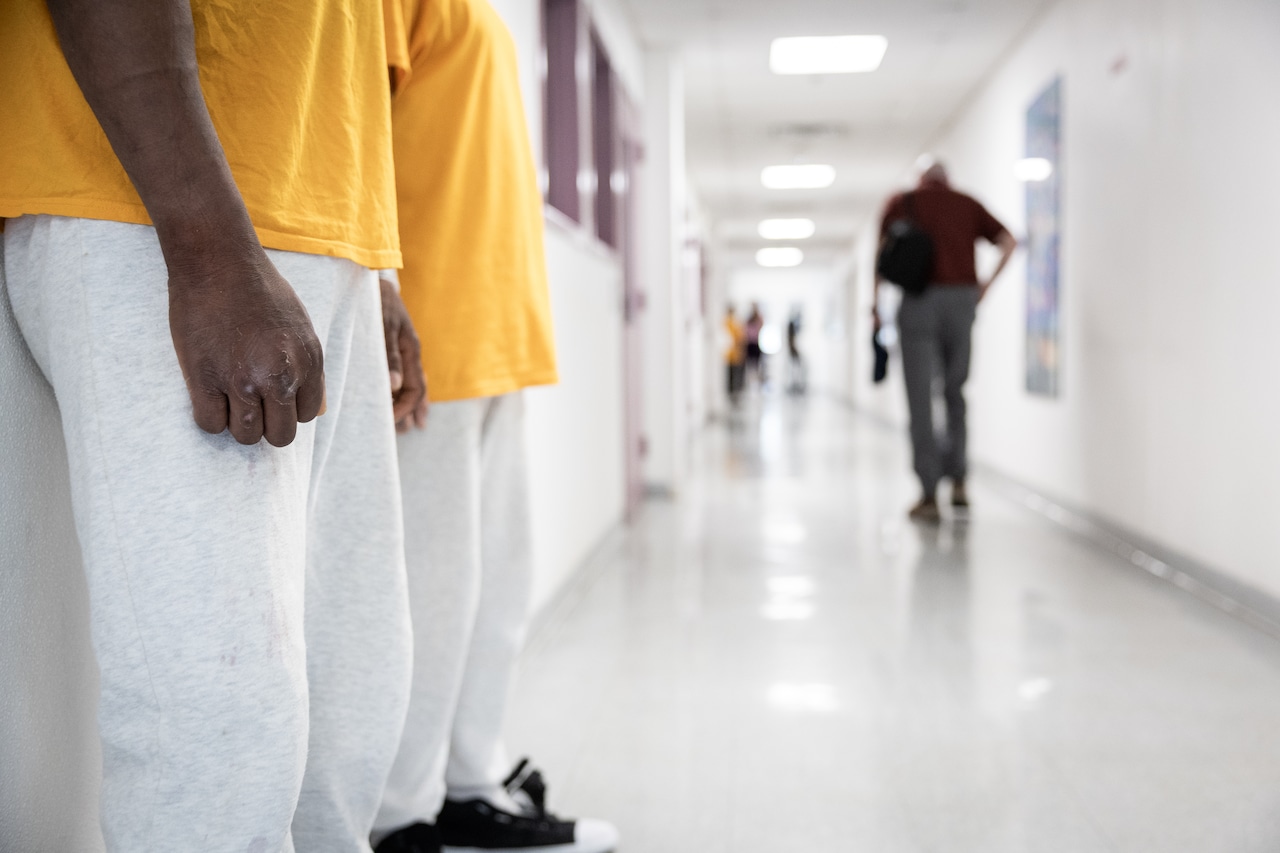
Jenks is already in minimum security and has had excellent conduct while detained, the board added. He has developed a re-entry plan with a licensed clinical social worker who testified at his hearing. Jenks has a support system to assist his transition.
The board ultimately voted four to three to grant his parole. Jenks must serve six months in lower security in New Hampshire due to an interstate compact.
Jenks must also submit a home plan for approval before being released to New Hampshire and undergo testing for drugs and liquor. He is barred from having contact with the victim’s family.
If you purchase a product or register for an account through a link on our site, we may receive compensation. By using this site, you consent to our User Agreement and agree that your clicks, interactions, and personal information may be collected, recorded, and/or stored by us and social media and other third-party partners in accordance with our Privacy Policy.