Climate change can be explained by six simple facts: It’s real! It’s us! Experts agree! It’s bad! Others care! There’s hope!
In the past, climate change denial was largely focused on the first three facts (i.e., the science of climate change). However, denial of these facts has become more and more untenable in light of the overwhelming scientific evidence and global scientific consensus around climate change science, climate change impacts and climate change solutions. Recent reviews include, for example, The 2025 state of the climate report: a planet on the brink and the State of the Climate in 2024 assessment published by the American Meteorological Society.
Present day climate change denial instead targets the remaining three facts (It’s bad! Others care! There’s hope!) using a combination of five more subtle tactics that include downplaying, delay, division, deflection and doomism. These denial tactics are analyzed and discussed at length in the book The New Climate War by University of Pennsylvania Professor Michael E. Mann.
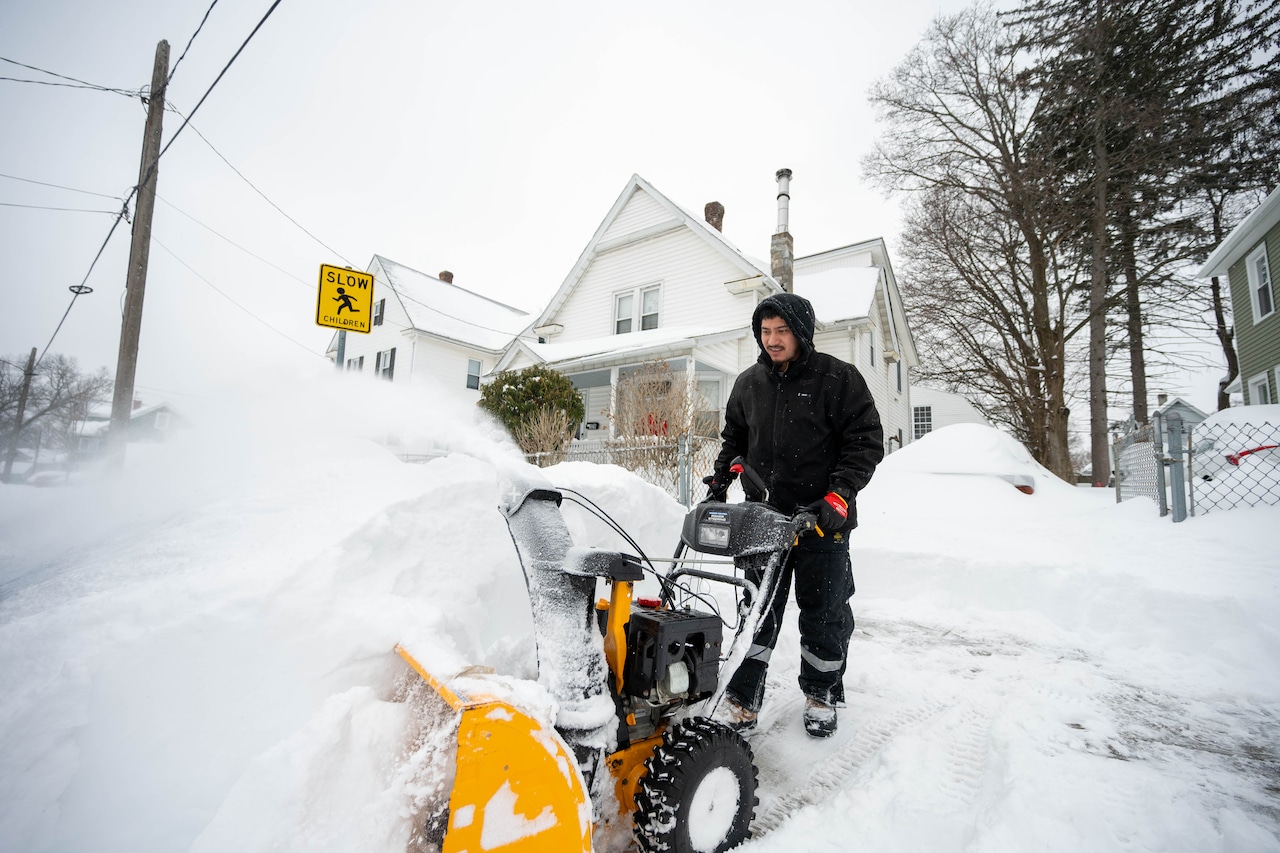
Downplaying the realities and consequences of climate change has been a popular strategy of climate change deniers for many years, but obviously stands in stark contrast to the overwhelming global scientific consensus. This downplaying strategy is often combined with the deliberate and false conflation of short-term weather fluctuations (such as our recent winter cold spell here in New England) and long-term climate change trends caused by human greenhouse gas emissions.
Delay tactics often go hand-in-hand with downplaying tactics and are an attempt to reframe the complexities and nuances of climate change into a “simple” adaptation and engineering challenge that we can easily meet in the future (if/when needed) with technological innovations such as climate engineering, carbon capture and storage, nuclear fusion, and more. In reality, only a rapid and comprehensive transformation and decarbonization of the global energy system can limit global warming and prevent potentially unmanageable consequences and outcomes. Rewiring America, The Solutions Project and Project Drawdown all offer realistic pathways into a sustainable energy future that are both technologically possible and at the same time economically viable.
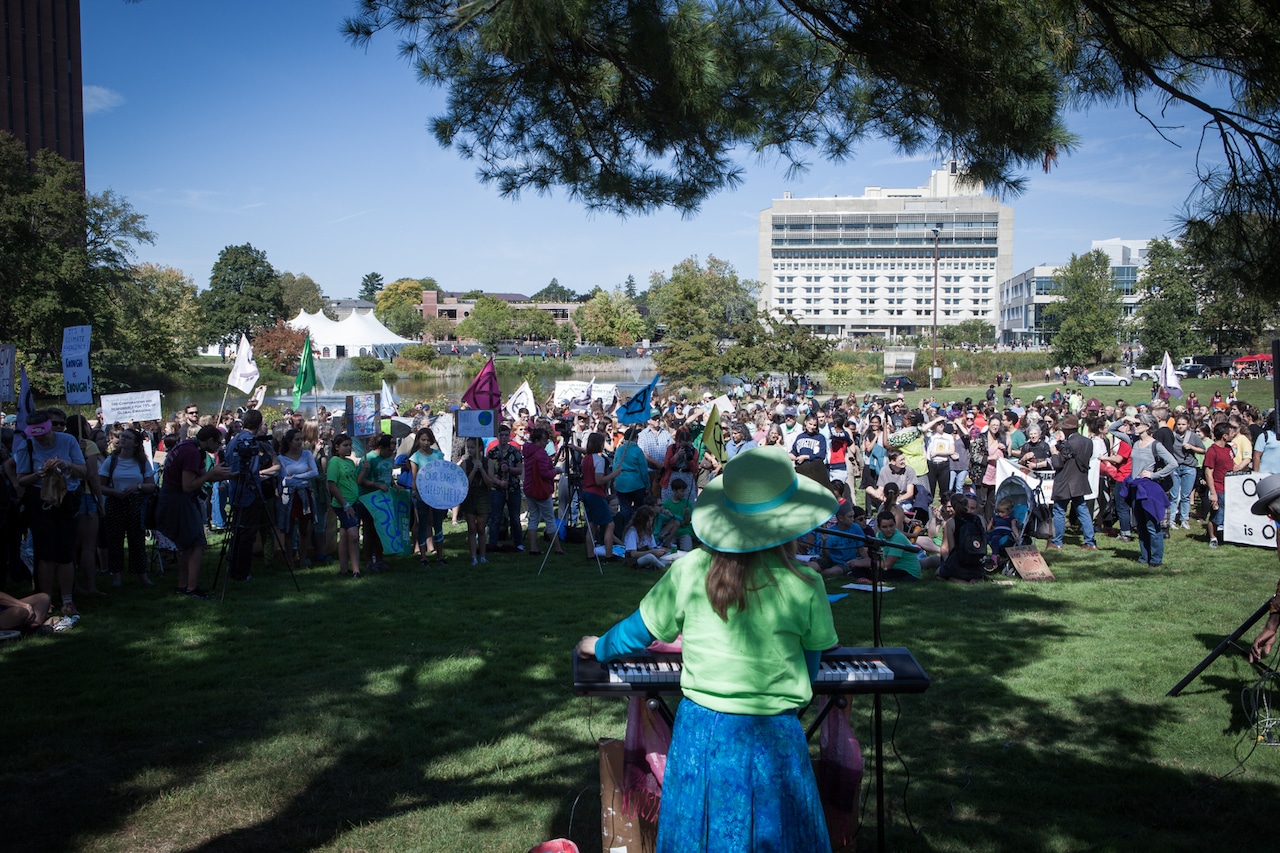
Next we have division – yet another “old” and popular political tactic aimed at dividing and fracturing the opposition. The concept is simple: try to weaken the climate movement by triggering climate advocates into arguments and controversies amongst themselves about the preferred solutions or the most important types of climate action needed at any given time. Common division “wedges” include, for example, trying to pit traditional environmentalists against labor unions and against social justice advocates or trying to splinter those activists focused on personal choices and individualism from those focused on the need for coordinated systemic and collective action.
Deflection is perhaps the most subtle and most dangerous of the new climate change denial tactics. Here is how it works: climate change deniers deflect the responsibility and blame for climate change away from the fossil fuel industry and towards individuals and their personal behaviors and choices. This deflection shifts the discussion away from the needed systemic government-based solutions (e.g., policies, regulations, incentives or infrastructure) and towards an emphasis on personal virtues and choices (e.g., how best to reduce your personal environmental footprint, recycling, diet choices, etc.). This is obviously a strawman argument. We can all agree that we–as individuals–should minimize our environmental impacts as much as possible within our constraints. What that means for all of us will be different for different people locally, nationally, and globally. However, a pervasive and global issue such as climate change cannot be “solved” by cumulative individual choices. Rather, such change requires systemic collective solutions coordinated, implemented, and assessed at the local, national, and global level.
Finally: doomism and despair. This is perhaps a counter-intuitive strategy by which climate change deniers actually emphasize–and sometimes even exaggerate–the reality, severity and inevitability of climate change impacts in order to induce a sense of helplessness, guilt and disengagement in the public. This then allows them to downplay the need for any urgent climate change actions and thereby normalizes–and even legitimizes–inaction and “business-as-usual.” The narrative presented goes something like this: “It’s too late already–reducing carbon emissions is too expensive and will not help anyways–all we can do is adapt to it using innovation and technology.” Doomism can also be further reframed as alarmism and then used to discredit climate change scientists and activists.
Add to this a few more D-Words (e.g., delay, doubt, deception, diversion) and you arrive at a potent and dangerous framework for climate change denial that no longer relies on outright science denial and even carries a veneer of legitimacy and reason. But six simple facts remain: It’s real! It’s us! Experts agree! It’s bad! Others care! There’s hope!
Interested in the real stories of climate change science, climate change impacts, and climate change solutions? Here are five books representing diverse perspectives from respected experts for your consideration:
- Naomi Klein and Rebecca Stefoff (2021): “How to Change Everything: The Young Human’s Guide to Protecting the Planet and Each Other”
- Michael E. Mann (2023): “Our Fragile Moment, How Lessons from Earth’s Past Can Help Us Survive the Climate Crisis”
- Hannah Ritchie (2024): “Not the End of the World: How We Can Be the First Generation to Build a Sustainable Planet”
- Kate Marvel (2025): “Human Nature: Nine Ways to Feel About Our Changing Planet – A Scientist’s Hopeful, Heartbreaking Exploration of Climate”
- Elizabeth Kolbert (2025): “Life on a Little-Known Planet: Dispatches from a Changing World”
Dr. Carsten Braun is a professor in the Department of Geography, Planning, and Sustainability at Westfield State University.
Climate Matters is a monthly series of commentary articles presented by the Voices for Climate Committee, with members from Southwick and Granville.