
A Massachusetts man said he was shocked when MSPCA-Angell’s law enforcement team and Hadley Police arrived at his animal sanctuary and began removing more than 300 animals — including a sheep he relied on as a service animal.
On Jan. 7, MSPCA-Angell’s law enforcement team and Hadley Police removed goats, cows, sheep, pigs, turkeys, illegal wildlife and more from what they said were poor conditions at a property in Hadley.
The location was Cloa’s Ark Animal Sanctuary, which highlights many of the animal’s personal stories on its website. It also included owner Patrick Veistroffer’s beloved pets, according to a statement from his lawyer, David Mintz.
Minnie, a 5-year-old sheep and documented service animal for Veistroffer, and Choquette, a cockatiel rescued 23 years ago, were among those taken by MSPCA-Angell, the lawyer said.
“It’s noteworthy that the average lifespan of cockatiels is 15 years,” the statement reads.
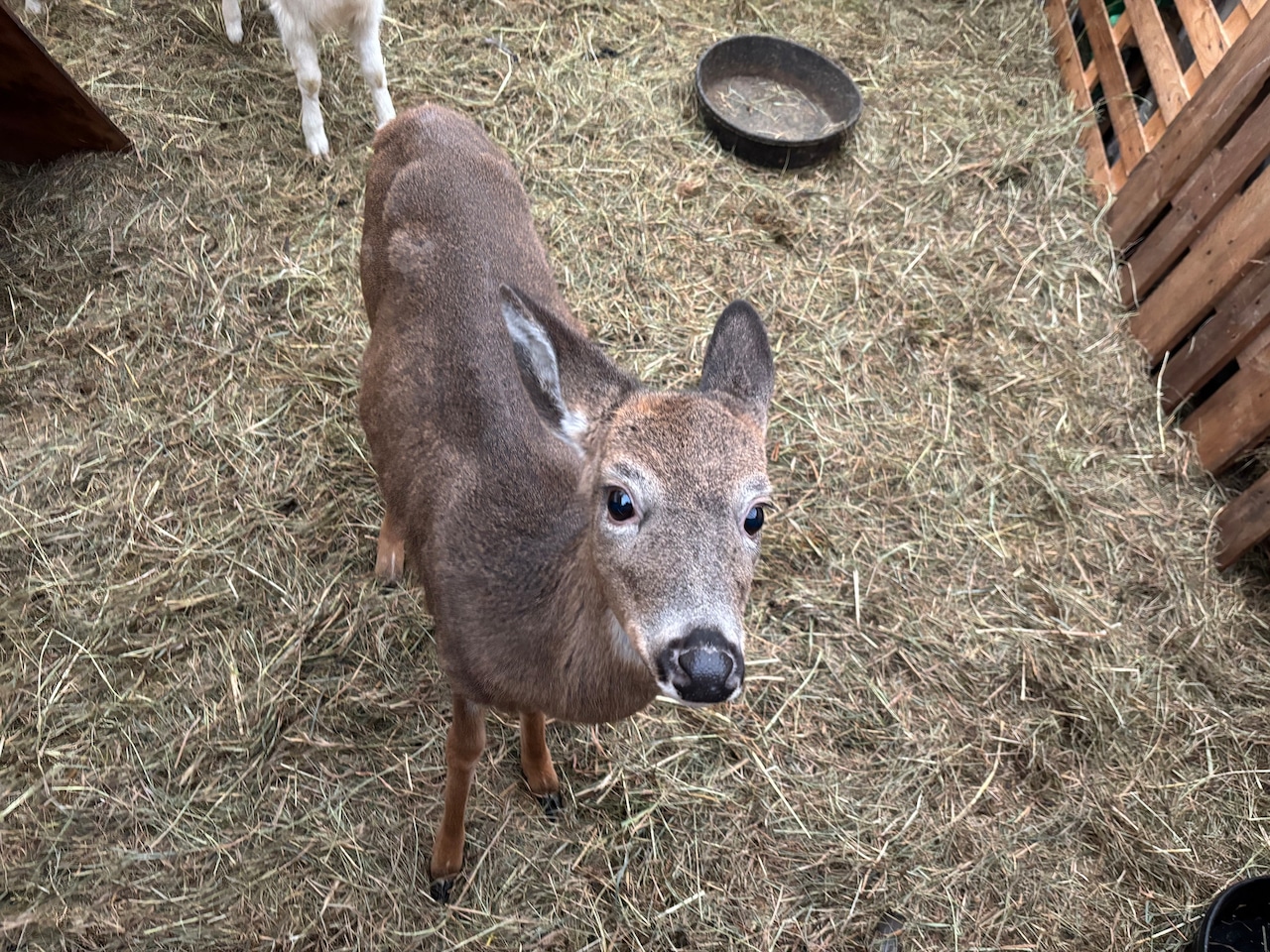
The majority of the animals were birds, including chickens, geese, cockatiels and parrots. There are also goats, cows, pigs, sheep, rabbits and one pony. Officials said there was a deer and Canada geese, which are wildlife that are illegal to have as pets in Massachusetts.
Officials originally said there would be more than 150 animals removed from the property. The final count included 315 animals.
“Many of the animals lacked access to food and water,” said MSPCA-Angell Law Enforcement Director Chris Schindler. “The majority were also living outdoors without adequate protection from the elements.”
Prior to removing the animals, MSPCA-Angell attempted to work with the owner to get the animals the care they needed. Veistroffer’s lawyer said Veistroffer had been in regular contact and cooperation with the MSPCA during the week prior to the raid, including meeting in person on Dec. 31, a text from MSPCA representatives outlining an itemized list of “essential actions required” on Jan. 2 and an inspection on Jan. 5.
During the Jan. 5 inspection, Veistroffer voluntarily surrendered five animals.
“In the wake of this cooperative interaction with MSPCA, Mr. Veistroffer was both surprised and shocked when, during the late evening hours on January 7, the authorities came calling,” the lawyer’s statement read.
Schindler, however, said the attempts to work together had not been successful.
Winter in New England is especially difficult for farm animals. They often need shelter and supplemental feed and hay.
“In warmer temperatures, many farm animals get nutrients from grazed grass, but when the ground freezes, that’s no longer an option,” Schindler said. “Those animals can rapidly lose weight if their owners aren’t supplementing their diets with additional feed and hay, which is when we may need to step in.”
The animals are now at MSPCA-Angell facilities where they will be cared for while the court process plays out.
“We know that a lot of the animals are very underweight and displaying signs consistent with being housed outdoors in cold weather without adequate access to food, water and shelter,” Schindler said.
The animal sanctuary said it plans to fight for the return of the animals.
“Cloa’s Ark will continue to be as cooperative as possible but we intend to vigorously defend against any narrative that seeks to portray the sanctuary, or its owner, as anything less than committed, caring, compassionate and devoted in their approach to the animal rescue operation,” the statement read.
Cloa’s Ark has been in existence for more than 20 years in various locations in Western Massachusetts, “and there are legions of supportive friends and clients who are ready to come to its defense,” the statement read.
The animal sanctuary said it gets an average of five calls a day from people and organizations that need help to shelter and care for animals.