
Dear Eric: I separated from my ex-wife in 2021, and we divorced not long after. We don’t communicate often but when we do, I try to be respectful and decent. Our values no longer aligned and ending a 20-year relationship was the right thing to do.
I try very hard not to be in her business. But she has confided in me a few times that her new partner is abusive. I wouldn’t want any stranger on the street to experience that, so I do the things I can. It’s a tough balance with an ex, and I’ve admittedly been too involved in this. The last time I basically told her she’s way too independent and she needs to get away from this (and provided the domestic abuse hotline, resources, et cetera). I’m always going to be the safe person. But it’s ugly for me to be in this.
Tonight, she told me she kicked him out and gave me details. Every detail she told me was something she did to me. He read her private journals. He angrily, drunkenly picked fights. I did not respond great. I care about any domestic violence victims being safe. I told her to take precautions and gave some unsolicited advice. I told her to not care about being the last word in and to not escalate and provoke anything worse.
Then I got ugly. She said I was not out of line for this advice. I was a little bit feeling “the audacity of asking for sympathy for all the things you did to me” and a little bit just generally angry. I pride myself on my values, but I was mean. I am not proud of it but I’m also not feeling sufficiently guilty about it and I’m just exhausted. Should I keep self-flagellating?
— Ex Argument
Dear Ex: This relationship needs a reset, and it needs some distance. Start by acknowledging to yourself that there are some parts of your 20-year marriage that still need processing. Talk with a therapist or reach out to the domestic violence support hotline yourself to learn more about emotional abuse resources.
Also, reach out to her to apologize for your part in escalating things. Remind her that you are concerned for her but acknowledge you may not be the best person right now to help keep her safe.
You have a self-awareness about this relationship that’s important. Your heart may be in the right place—and you know that people experiencing domestic violence need safe people they can trust and turn to—but your history and the trauma that you experienced is complicating everything. You’ve pulled yourself back in and so every conflict is not just about her relationship with her partner, but also about her relationship with you. This isn’t healthy for either of you.
Ask her if she needs help finding resources or reaching out to others and then listen to what she says without offering advice. It’s possible for our concern to turn into something less than helpful, something that looks like control. When that happens, we have to check in with ourselves and respect other people’s boundaries.
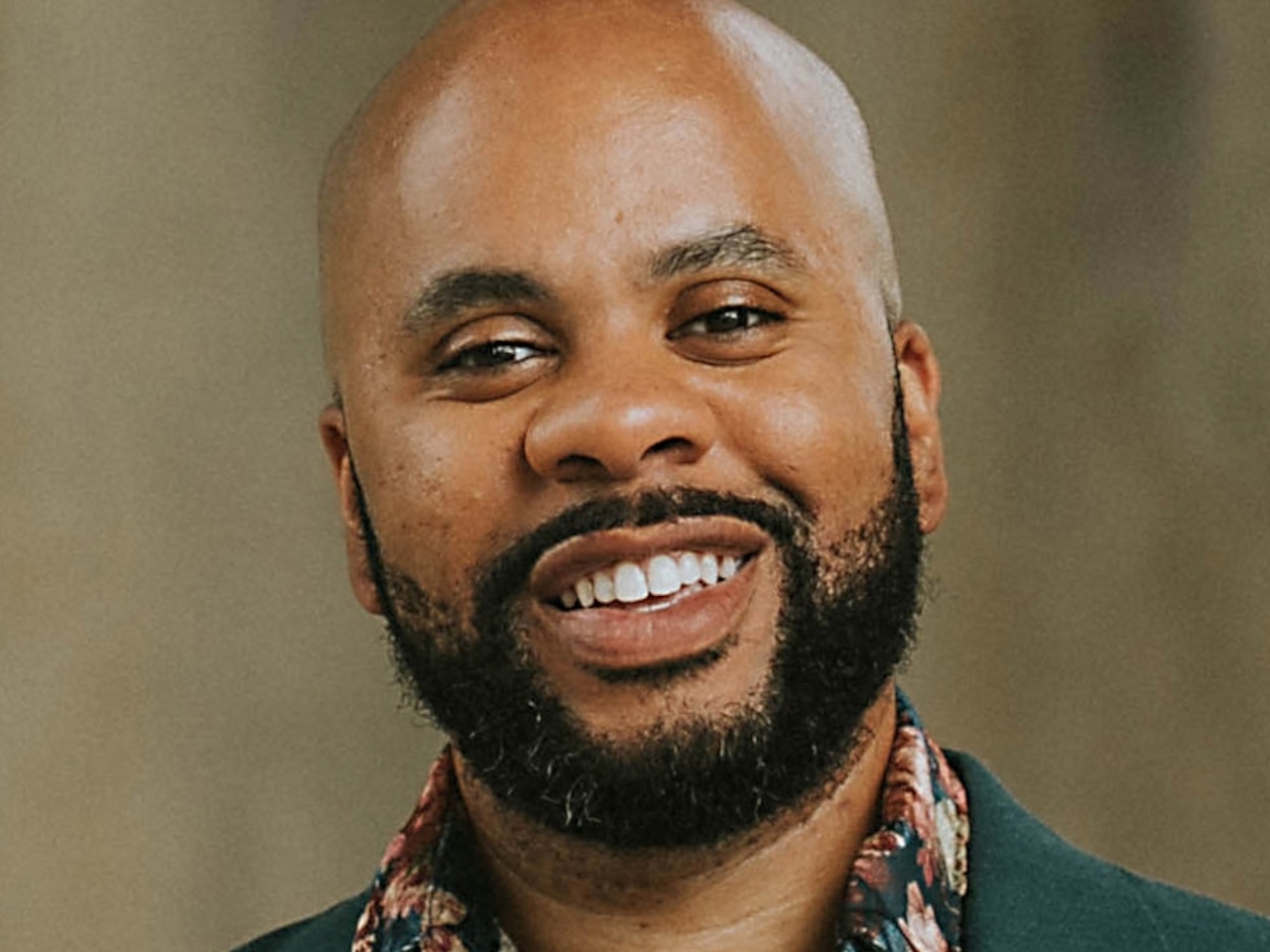
(Send questions to R. Eric Thomas at eric@askingeric.com or P.O. Box 22474, Philadelphia, PA 19110. Follow him on Instagram and sign up for his weekly newsletter at rericthomas.com.)
©2024 Tribune Content Agency, LLC.
If you purchase a product or register for an account through a link on our site, we may receive compensation. By using this site, you consent to our User Agreement and agree that your clicks, interactions, and personal information may be collected, recorded, and/or stored by us and social media and other third-party partners in accordance with our Privacy Policy.