

Amazon is warning its 200 million Prime subscribers about sophisticated email scams that trick users into sharing personal data, including login credentials, passwords and credit card information, by falsely claiming issues with their subscriptions.
One scam email claims the customer’s Amazon Prime subscription “will automatically renew at an unexpected price,” according to reporting by TheStreet.
“These emails may also include a ‘cancel subscription’ button leading to a fake Amazon login page,” Amazon warns.
Another scam email claims the customer’s default payment is no longer valid and must be updated.
“We’ve recently noticed an increase in customers reporting fake emails about Amazon Prime membership subscriptions,” Amazon’s recent email to customers reads, according to TheStreet. “We want to help you stay protected by sharing important information about these scams.”
The scam emails often contain personal information that makes them appear to be authentic, according to Amazon.
How to protect yourself
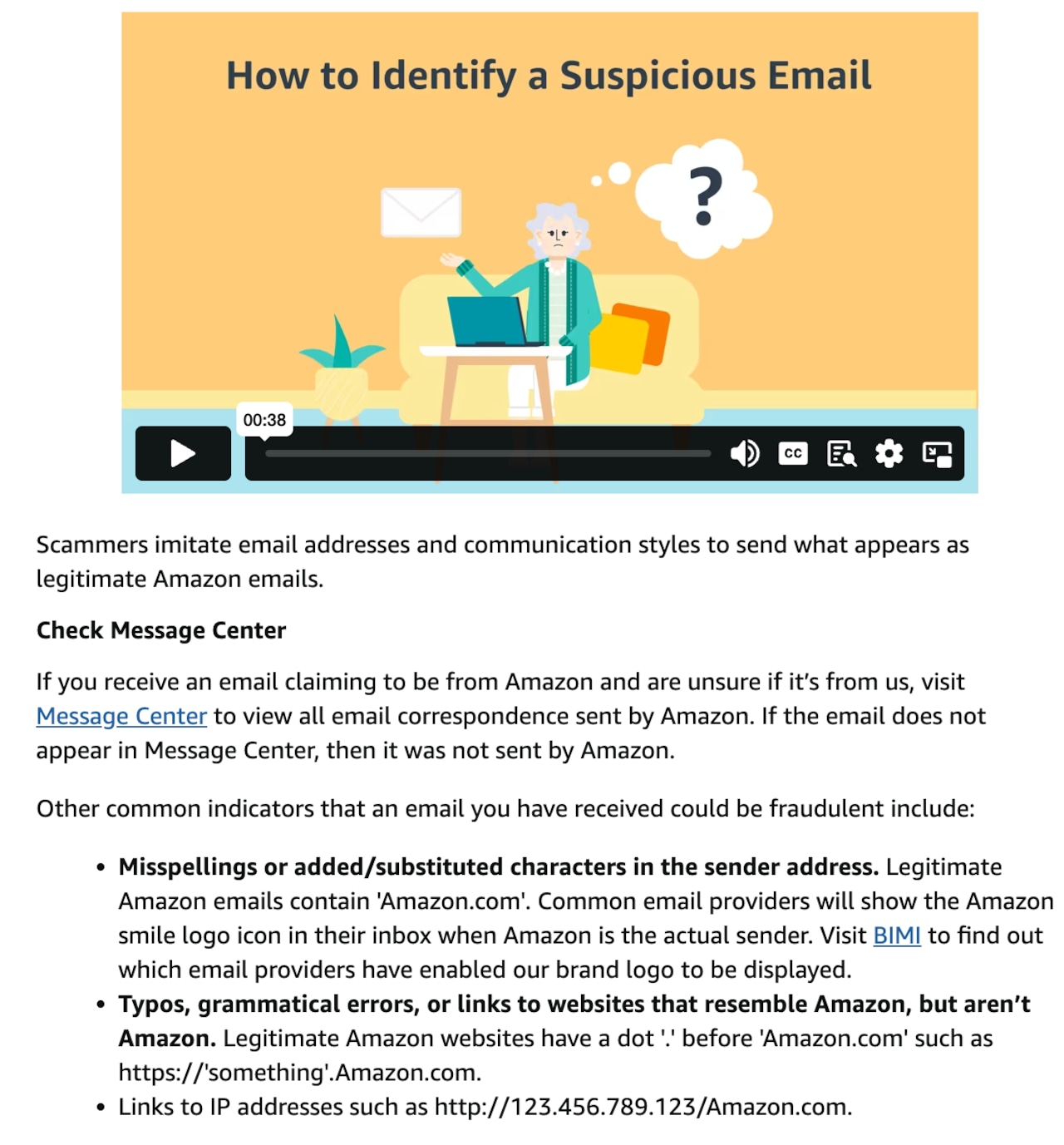
“If you receive an email claiming to be from Amazon and are unsure if it’s from us, visit Message Center to view all email correspondence sent by Amazon,’ a notice on Amazon’s website reads. ”If the email does not appear in Message Center, then it was not sent by Amazon.”
Amazon’s website provides information, including the lists below, to help customers prevent becoming a victim of fraud:
- False urgency. Scammers often try to create a sense of urgency to persuade you to do what they’re asking.
- Asking for personal information. Scammers may try to persuade you to provide personal information over the phone such as addresses, payment information, account login credentials, or financial information.
- Purchases outside of Amazon. Scammers may try to ask you to send money outside of the Amazon website or mobile app through a third-party site or wire transfer.
- Payment via gift cards. Scammers may request you purchase and exclusively pay with gift cards. They may ask for the gift card number, claim code, or PIN.
- Unexpected order. You may receive notification of an order or delivery for an item you weren’t expecting.
“If you receive an email claiming to be from Amazon and are unsure if it’s from us, visit Message Center to view all email correspondence sent by Amazon. If the email does not appear in Message Center, then it was not sent by Amazon,“ the website says.
Other common indicators that an email you have received could be fraudulent include:
- Misspellings or added/substituted characters in the sender address. Legitimate Amazon emails contain ‘Amazon.com’. Common email providers will show the Amazon smile logo icon in their inbox when Amazon is the actual sender. Visit BIMI to find out which email providers have enabled our brand logo to be displayed.
- Typos, grammatical errors, or links to websites that resemble Amazon, but aren’t Amazon. Legitimate Amazon websites have a dot ‘.’ before ‘Amazon.com’ such as https://’something’.Amazon.com.
- Links to IP addresses such as http://123.456.789.123/Amazon.com.
These Amazon scams are part of a broader trend where AI has brought a new level of sophistication to email, text and phone scams across the internet, according to TheStreet.
In 2024, consumers lost more than $12.5 billion to fraud, according to the Federal Trade Commission. That’s 25% more than what was reported in 2023.
If you purchase a product or register for an account through a link on our site, we may receive compensation. By using this site, you consent to our User Agreement and agree that your clicks, interactions, and personal information may be collected, recorded, and/or stored by us and social media and other third-party partners in accordance with our Privacy Policy.




