
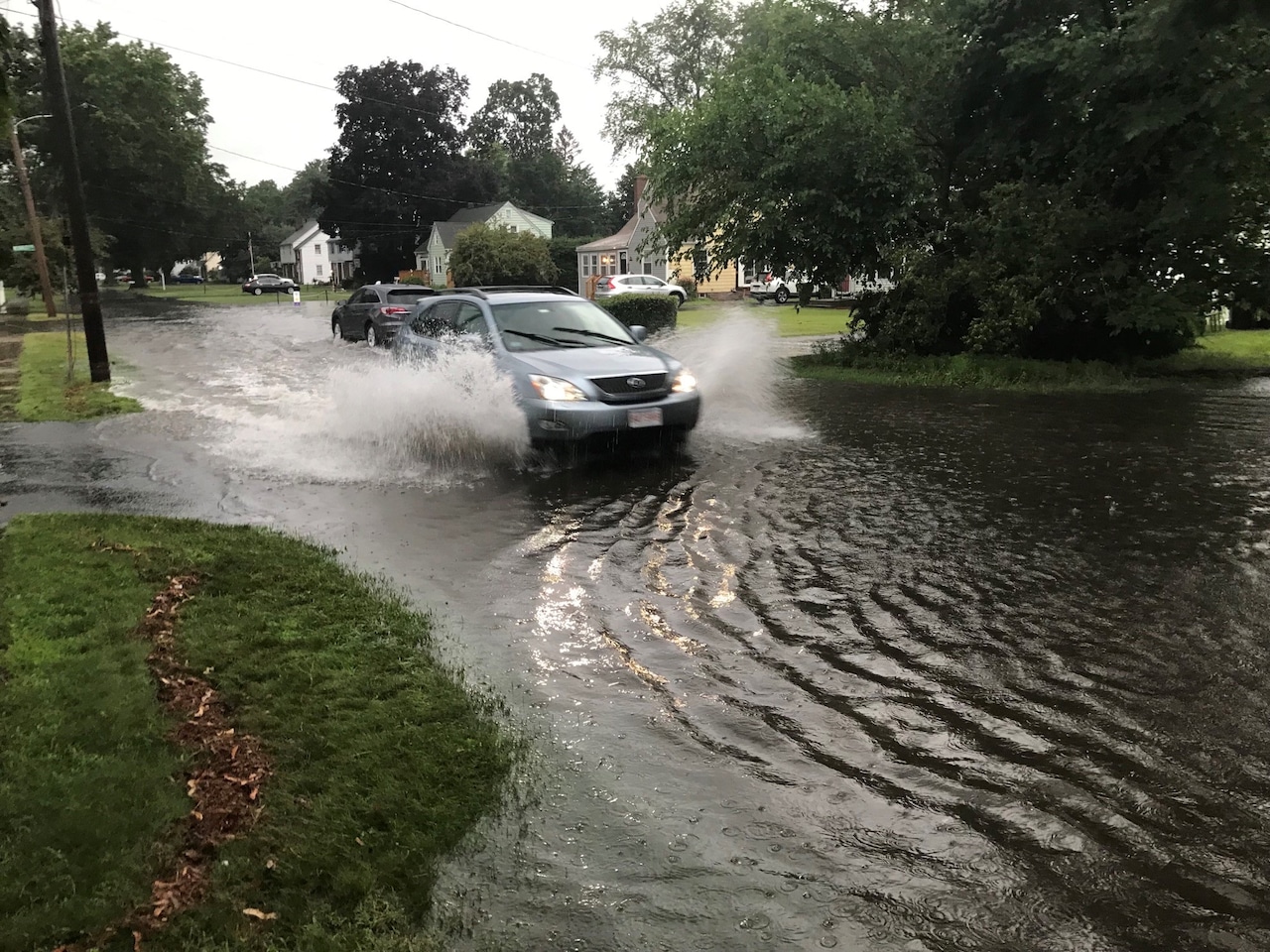
What to do “after the flood” is as important as preparing. It is actually so vital that there are a litany of books, movies and a recent British TV series (I haven’t seen it, but now I plan to) with that name. Danger and health hazards don’t end with receding flood waters, in fact that’s where some of the worst dangers begin. But know there is help and guidance to cope with the calamity facing flood victims. Often in a situation that is overwhelming and life changing, “Where to start?” is the hardest question.
Of course, the foremost task is accounting for your family members, friends, pets and neighbors as well as search and rescue for other community members. Remember others are doing the same thing. Contact family members and friends who are worrying about you and let them know you are safe as soon as possible.
Be cautious and aware that the bad weather may not be over. Additional flooding or flash floods can still occur. Listen for local warnings. Wait for alerts and instructions before returning home. Don’t return until it is declared safe by local officials.
Stay off the roads except for emergencies. Obstruction of emergency workers should be avoided. Also be aware that road stability is compromised after flooding and could collapse under the weight of your car.
I had nightmares for several nights after researching and reading about this topic which included details about snakes and other animals dead or alive in your house. Your home or other buildings could also have structural and foundational damage. Septic damage can occur contaminating the water around you. Dwellings are also at risk for carbon monoxide poisoning and other gases or fuels piped into your house. Check for gas and water leaks.
When you attempt to enter your property, be sure there are no downed electrical wires. Underground wires and hidden wires may be compromised and active yet invisible. Fallen wires may be conducting a dangerous current under the water. Do not touch electrical wires especially if wet or you are in water. Turn off electricity before you start. Generators or other gas powered tools should only be used outdoors – indoor use is one of the biggest sources of carbon monoxide poisoning. Be sure to use a qualified electrician.
Protect yourself and your home from further damage. Wear protective clothing such as heavy work gloves, boots, protective clothing and glasses and face covering. Wear masks especially if cleaning moldy areas. Asthmatics and others with lung conditions, decreased immunity should avoid any mold growth that can be seen or smelled. Children should not be involved in clean up work.
Clean and disinfect anything you plan to save. Take pictures and videos of damage. Record serial numbers of large appliances. Often insurance does not cover mold damage, start cleaning and drying out belongings as soon as possible. Throw out anything that is a health
risk.
Do not drink or cook with water until you have been notified it is safe to use. You may have to boil water or use bottled water.
Be aware of scams. Sad to say everyone out there may not be who they say they are.
Check ID, licenses and references of professionals you hire including your insurance adjuster.
Ask for their flood control number.
Contact your insurance agent. All disaster survivors should contact FEMA.gov, disaster assistance.gov, FEMA mobile app or call 800-621-3362. Seek help through the Red Cross.
They have a great publication called “Repairing Your Flooded Home.” You may qualify for Increased Cost of Compliance coverage funding through the National Flood Insurance Program up to 30,000 dollars to rebuild to reduce future flood risk.
Don’t forget to care for yourself and your emotional stress. Try to rest, stay hydrated, eat well and make a manageable schedule while coping with this overwhelming catastrophe.
Calculating your risk of flood is tricky. The term “100 year flood” is a return period for a flood event. A return period is a metric for a natural hazard happening. It is described as “ how likely a hazard event is to occur at or above, a specific intensity within a time frame defined by a probability.” A common misconception is that 100 year flood will only occur once per century. This is not true. There is a small probability that it could occur yearly and it is also possible to never occur.
I got an A+ in undergraduate statistics class but I am not quite comprehending this. My son described it as more like the probability of winning on a scratch ticket than data-based forecasting. It is a daily gamble and a false sense of security if you don’t understand it. This is compounded by the fact that we are seeing climate change increasing the frequency and intensity of weather events along with human expansion shrinking the natural areas available to absorb flood waters. This further increases flooding risks.
No one wants to imagine going through a disaster more than once, but the last task on the list, is to prepare for the next flood. The risk is there, whatever the probability. Preparation and planning save lives. The British Army’s adage fits here, “Proper Planning and Preparation Prevents Piss Poor Performance.” Sorry for the expletive but it is not as memorable without it. Immeasurable tragedy occurred and lives were certainly at risk during WWII, thus applying this directive to any calamity is appropriate.
Take care of yourself and someone else.
If you purchase a product or register for an account through a link on our site, we may receive compensation. By using this site, you consent to our User Agreement and agree that your clicks, interactions, and personal information may be collected, recorded, and/or stored by us and social media and other third-party partners in accordance with our Privacy Policy.