With a nursing education and career, I can best understand and approach an organizational task or job to be done with the tools of nursing practice. The nursing process is to assess, diagnose, plan, implement and evaluate. Of course this applies to patient care but is applicable to other scenarios. Pondering the changes in our federal government health care organizations, I thought this process won’t help me find answers or even begin to understand managing high level government decisions. I did a little research, specifically CliffsNotes, about the principles of management, and found the processes are very similar. It involves determining what work is needed to accomplish the goal, assign tasks and create a decision-making framework. If this process is not done well, the results are confusion, frustration, loss of efficiency and limited effectiveness.
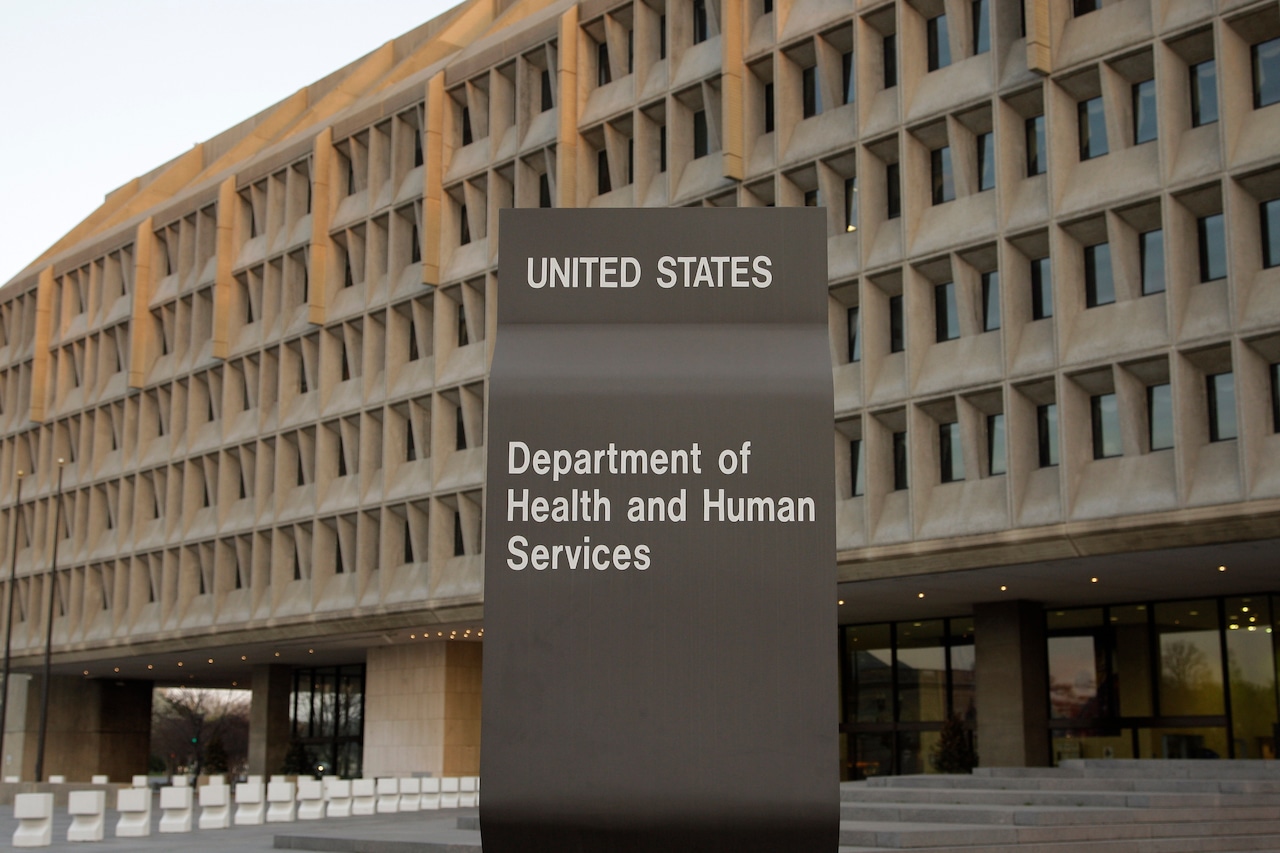
Granted, the federal government is much larger and more complicated. The federal Health and Human Services offices that affect every one’s health is undergoing rapid and confusing changes that don’t seem to be following any effective management plan. The goal has been communicated as decreasing spending. Do most of us believe on some level that most companies and government agencies are top heavy with highly paid and overly compensated administrative staff? Sure. But there must be a better way. Employee salaries account for less than 5% of federal spending. Thus, these cuts aren’t the best plan.
The rapid changes that have been made eliminated twenty thousand highly educated, competent, dedicated employees who found out their career was cut short when their ID badge didn’t work or by email. 28 divisions were cut to 15, 10 regional offices to 5 and centralization of HR, IT, procurement, External Affairs and Policy.
It’s important to note the difference between staffing divisions and operating divisions of HHS. The HHS Secretary has control over budget and tasks for staffing divisions. Congress appropriates funding for the operational divisions. By combining these divisions the Secretary has greater control without oversight.
There does not seem to be a plan in place to support programs, research, policies and initiatives during the transition. Many programs and services are paused. What is the fate of those dependent on these services?
The Administration of Community Living (ACL) which includes the Administration of Children and Families and the Center for Medicare and Medicaid is being dismantled. Where is the plan to not interrupt services to older adults, children and disabled?
Closing and downsizing of CDC departments will greatly jeopardize public health. CDC lost 2,400 employees, FDA lost 3,500, NIH lost 1,200 and Center for Medicare and Medicaid lost 300. These cuts will directly affect approving new drugs and medical products, providing health insurance and managing infectious disease outbreaks.
With the ongoing opioid epidemic and high suicide rates, can someone please explain how combining the divisions of Substance Abuse and Mental Health, Health Resource and Services and HIV program into one division is going to save lives? Why is global health, domestic HIV prevention and injury prevention divisions not needed anymore? It is not clear that any of the new divisions even cover substance abuse disorders.
Entire offices that have been eliminated include the Bureau of Primary Health Care that funds 1,400 community health centers (Isn’t there a primary crisis going on?), two offices that track behavioral health data and research, National Person Protection Tech Lab that researches occupational safety tools, methods and equipment for professions such as firefighting and mining and NIOSH which researches workplace exposure to PFAS and other toxic chemicals.
Also eliminated are those that gather information from the National Survey on Drug Use and Health. This is a leading survey of 70,000 people on tobacco, alcohol and drug use that has provided important data for many years. Without this data, we can’t fight these chronic diseases and illnesses.
The elimination of a large workforce will leave the public and health care providers lacking guidance and services. The loss of institutional knowledge and division leaders will leave the remaining agencies flailing affecting prescription drug safety, infectious disease control, food supply standards and public health research.
The impact of NIH defunding is unimaginable. The research being done, clinical trials to cure and treat disease is valuable to all of us. Many are finding hope in a clinical trial that could save their life that may abruptly end. This affects more than elite universities, it affects universities across the nation and everyone you know who has a health condition now or in their future.
Beyond health care, the loss of funding and thousands of federal jobs from doctors and scientists to labs and manufacturers economically affects individuals, families and communities across the country. It impacts future generations of science students considering careers in biomedical and public health which will ultimately affect the health and care of our nation.
These massive cuts eliminate life saving medical care, changes the US’s status of a global health leader, makes the country more vulnerable to pandemics and bioterror attacks, delay in the development of vaccines, diagnostics and treatments for viruses, mosquito and tick borne illnesses, resistant bacteria, ebola, HIV and STIs.
You can’t get where you are going if you don’t know where you are. We orient ourselves using data to find the best path that reaches the destination. If you don’t have or aren’t current on the data, you’re walking blindly into the woods. If we ignore data and make decisions without collecting pertinent information, we are making ignorant choices with detrimental consequences.
The outcome of all these changes is the great unknown. An open mind and history has shown that something good can come out of something not so good. Unfortunately my fears of the human toll from this chaotic process of change in Health and Human Services overrides the hope I am clinging to.
Take care of yourself and someone else.
Juanita Carnes is a nurse practitioner with 39 years of experience in a hospital emergency department and urgent care facilities. She served 30 years on the Board of Health in Westfield, Massachusetts.