
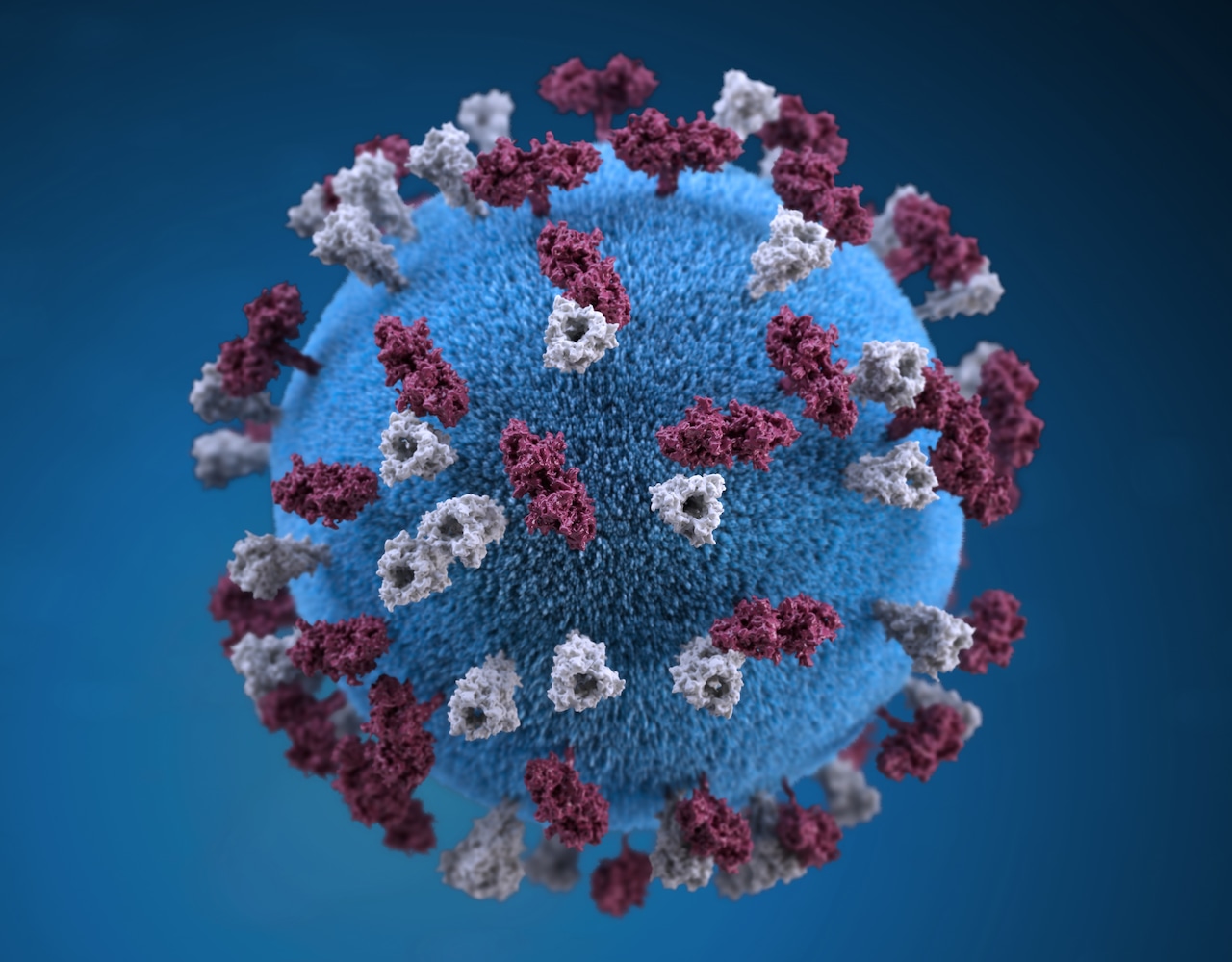
Measles was said to be eradicated in the year 2000 in the United States but continues to spread through the present day. As a public health professional, I didn’t think we would be here. Like with treating infectious diseases, a gardener can completely clear his or her garden of weeds, but unless they remain vigilant with the required work and maintenance, the garden can become overrun with weeds and kill the flowers and vegetables.
I was both happy and surprised, given the changes to our federal health offices, to find current information about the measles outbreak on the CDC site. The page was most recently updated on June 13, 2025. There are 1,197 confirmed cases in 35 states. The numbers are thought to be higher, but this data includes only confirmed cases.
An outbreak is defined as three or more related infectious disease cases. There have been 21 measles outbreaks in this country in 2025. The initial outbreak was in Texas and an outbreak in West Texas persists. Cases are spread evenly between the under 5 age group, 5-19 years and 20-plus years. Unvaccinated individuals make up 95% of cases. Hospitalizations occurred in 12% of the cases with three confirmed deaths.
Prior to the measles, mumps and rubella vaccine (MMR), 48,000 Americans were hospitalized and 500 died yearly from measles. Two doses of the MMR vaccine are safe and 97%effective to prevent measles. Extensive research disproves that the MMR vaccine causes autism.
Measles is an extremely infectious and potentially severe airborne illness. Measles can live in the air and on surfaces for two hours after the infected person leaves the area. With 95% of cases in the unvaccinated population, this makes airports and public places very dangerous for unvaccinated people. You can’t avoid what you can’t see. It’s not surprising that national and global measles cases are increasing.
Outbreaks are occurring because US MMR vaccination rates in kindergarteners has dropped below 95%. Data shows cases in U.S. are mostly brought in by US travelers vacationing or working abroad and returning home infected. Close knit communities with low vaccination rates are at highest risk.
As of this date there are no confirmed cases in Massachusetts. However, a recent announcement by Boston Public Health and Massachusetts Department of Health notified the public that a traveler with known infection was in Boston at the Westin Boston Seaport Hotel including restaurants, Museum of Fine Arts and Logan Airport Terminal C on June 7 and 8. The individual then took a Jet Blue flight to Miami.
If anyone is unvaccinated and possibly exposed, avoid public places and monitor symptoms for 21 days (June 29). Before arriving at any health facility, notify them of your symptoms and possible exposure. Symptoms of measles appear 7-14 days after contact. Fever, cough, runny nose and red/watery eyes are the first symptoms followed by a rash 3-5 days later. Complications include pneumonia, swelling of the brain and death.
Fortunately, the CDC continues to give clinical support to health care providers and guide health departments with technical, communication and vaccine support. They are monitoring global cases and creating models of how it may spread here.
Strengthening public health agencies, trust in the public health system and sharing knowledge with the community at large is crucial to protecting the health of our country. Addressing personal, cultural, political opinions of vaccine hesitancy with education based on science and research can help save us from the return of disease, death and disability caused by previously eradicated illnesses.
“To plant a garden is to believe in tomorrow.” — Audrey Hepburn
Perhaps that quote should read “to plant and weed a garden.”
Take care of yourself and someone else.
Juanita Carnes is a nurse practitioner with 39 years of experience in a hospital emergency department and urgent care facilities. She served 30 years on the Board of Health in Westfield, Massachusetts.