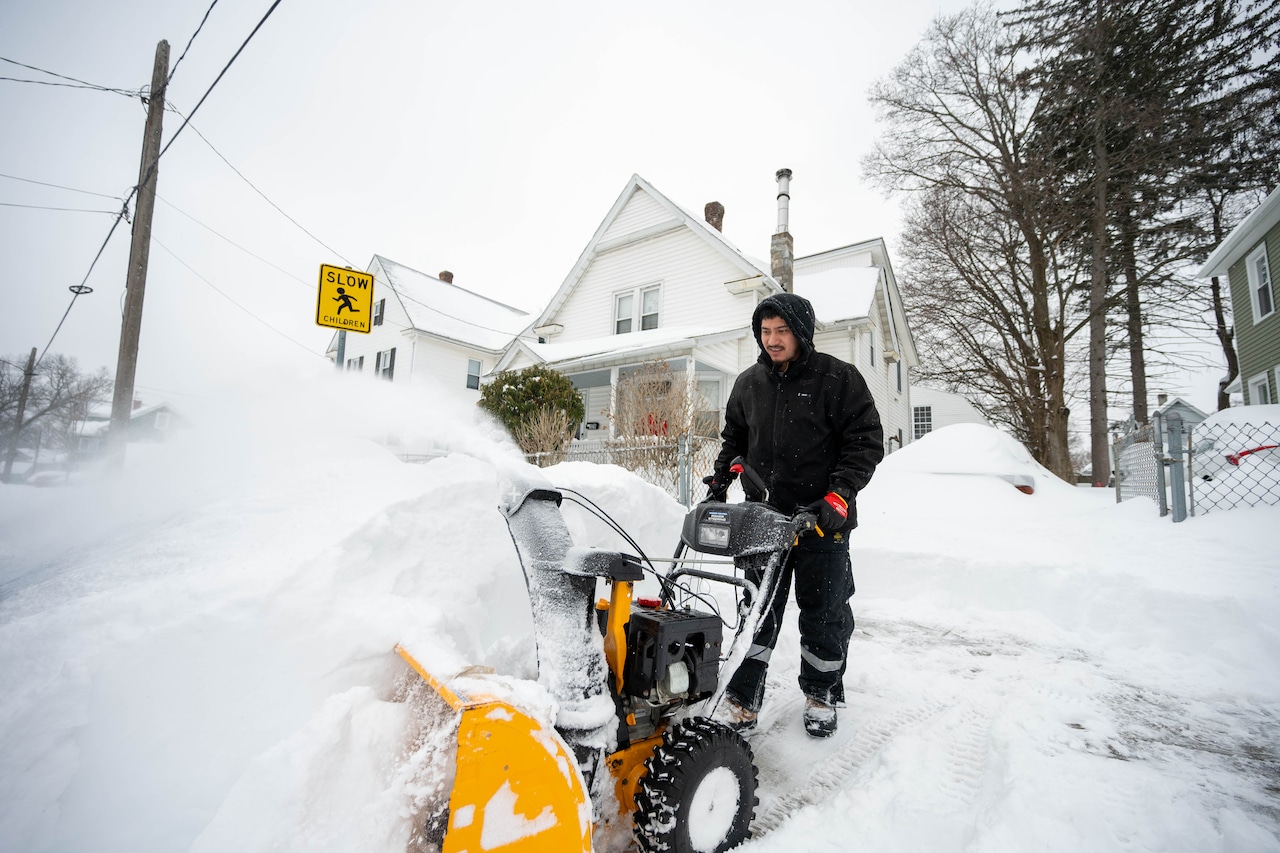


“Jack Frost nipping at your nose … folks dressed up like Eskimos.” These lyrics to an old Nat King Cole song are highly relevant to New England weather. Mythical Jack Frost, winter’s cold on your skin causing a sharp, cold, stinging bite on your face, brings cold, frost and snow. The famous Christmas song delivers a message to bundle up. And that message should be heeded. Frostbite is no sentimental yuletide carol.
Frostbite occurs when tissue is damaged by extreme cold. The most common body parts affected are nose, cheeks, ears, fingers and toes. Essentially frost bite is when a part of the body freezes. The body reacts to cold by constricting blood vessels to preserve core body temperature. This leaves the areas close to the skin at risk for frostbite. Ultimately, tissue can die. Frostbite of the cornea can happen and damage your eye.
It has to be at or below 28 degrees for body tissue to freeze. It can occur in as little as 15 minutes. There are ranges of tissue damage. Less severe, superficial freezing or frosting of the outer skin with full recovery can occur. The other extreme of deeper damage resulting in death of tissue and amputation can happen. Other contributing conditions are wind chill, altitude, body circulation and body composition.
Multiple factors influence damage from frostbite including fatigue, malnutrition, mobility issues, elderly, wet skin, mental impairment, clothing, touching metal, thin, dehydrated, alcohol consumption, nicotine, caffeine, poorly controlled diabetes and other co-morbidities.
Frostbite has also been associated with misuse of ice packs used for injuries placed directly on the skin. There should always be a cloth in-between skin and an ice pack. Touching a freezing metal surface can cause frostbite. We learned in The Christmas Story not to accept a triple-dog-dare to touch your tongue to the flag pole.
Symptoms of frostbite include numbing, trouble moving a body part, a yellow or gray appearance of the skin, itching and blistering. As the nerves , muscles and tendon freeze, the skin becomes waxy, then hard, blue, gray or black. Clear blisters occur with mild frostbite. Blisters with blood or cloudy fluid is more severe.
It seems silly to state the best prevention for frostbite is to avoid exposure to cold, but there it is. Dress in loose layers of clothing made of silk, polypropylene or wool with a wind-resistant outermost layer. Remove any wet clothing. Wear a hat that covers your ears, face mask, mittens or gloves and warm, water-resistant footwear with 2 layers of socks.
If your fingers are showing symptoms of frostbite, blow on them, apply to warmer areas of the body such as underarms or someone else’s hands. Do not rub. Do not warm damaged tissue close to the open fire while roasting chestnuts (as the song goes). High heats may cause further damage. If you have serious symptoms, go to the emergency department asap. You will experience pain as the tissue thaws and complications may occur. It is best to treat frostbite under medical supervision.
Care in the emergency department will include warming the affected areas in warm water, giving medications to help blood flow, administeringE a tetanus shot if you are not up to date.
Surgery may be necessary to remove dead tissue.
There are other cold exposure conditions besides frostbite. If you paid attention in history class or watch war movies, you have heard of trench foot. This is not frostbite. this is a combination of prolonged cold and wet skin exposure causing damage to the nerves and circulation. Most commonly seen in the beginning of WW1 and improved with foot hygiene and better boots. It also occurred during the Falklands War in 1982 and still happens to many homeless individuals. Chilblains or pernio is another form of cold injury that causes inflammation and red or purple painful, itchy nodules.
Even in the digital age, the immersive games children and adults play take temperature into account. Frostbite has worked its way into the gaming world. While researching for human health information, instructions popped up for the Arc Raiders game about how to deal with frostbite with the warning that frostbite chips away at your health if you stay outside too long. Very true for humans also.
Frostbite can have long term complications. If you are fortunate enough to keep all your fingers and toes and other body parts after frostbite, you may experience hypersensitivity to the cold, scarring, joint mobility issues, chronic pain, numbness, tingling and arthritis.
“Who let the dogs out?” Be mindful of how long your pets have been outside. Even though our furry friends are covered in fur, they are also susceptible to frostbite. Your pup will continue to romp and play in the snow and frigid weather as long as you let them. Keep play times and walks shorter in the frigid weather to protect them. Be sure to clean the little snowballs out from in between their toes.
“Although it’s been said many times, many ways, Merry Christmas to you.” Happy Hanukkah and stay warm.
Take care of yourself and someone else.
Juanita Carnes is a nurse practitioner with 38 years of experience in a hospital emergency department and urgent care facilities. She served 30 years on the Board of Health in Westfield, Massachusetts.