

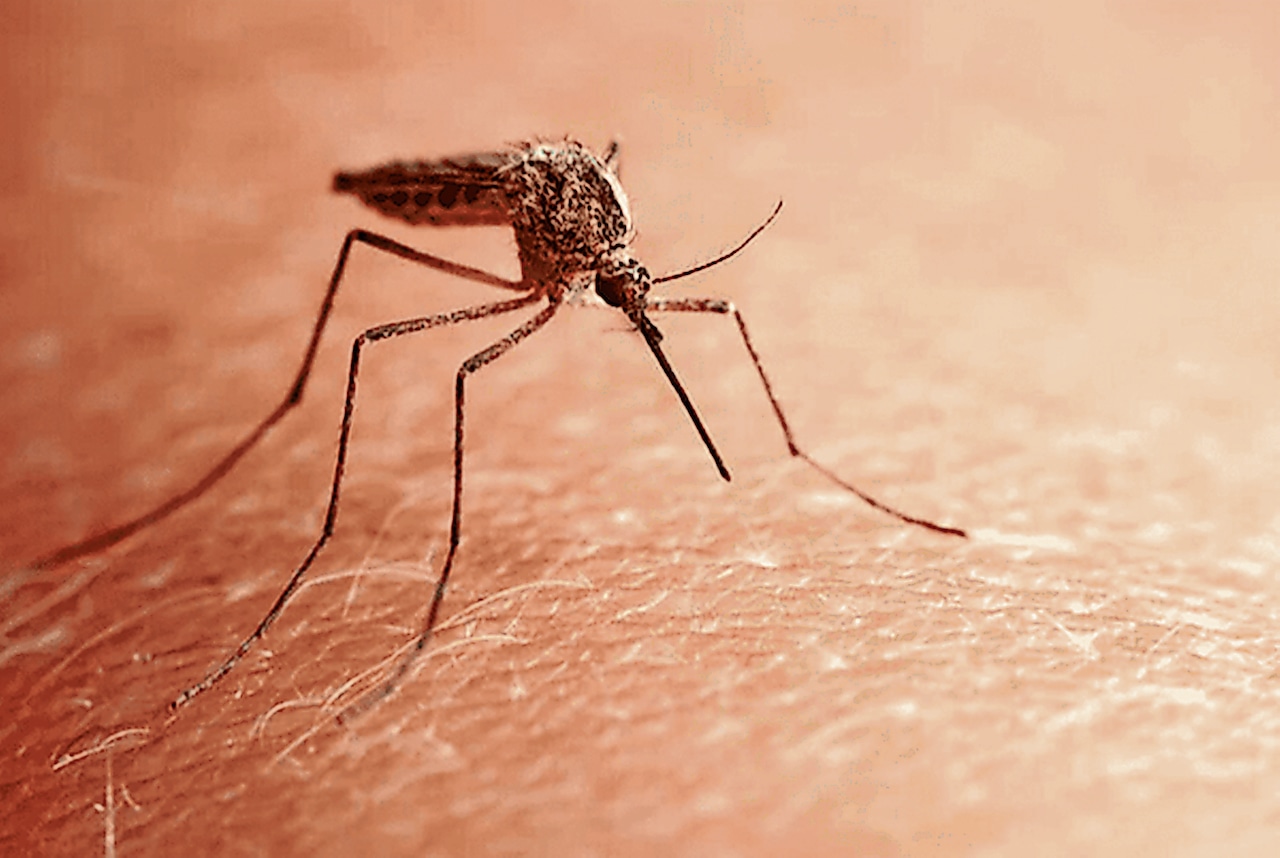
Two mosquito test samples taken from Hyde Park and West Roxbury have tested positive for West Nile Virus, the Boston Public Health Commission announced Friday.
There currently aren’t any confirmed human cases, and the commission told Boston residents the risk of transmission is low. But it encouraged protective steps be taken.
West Nile Virus is carried by mosquitoes and can be spread to humans via bites. It can cause illness ranging from mild fever to encephalitis or meningitis, according to the state’s website. Fewer than 20% of people infected with the virus will have symptoms, and most people infected won’t have any.
- Read more: Donkey skin as tick repellent? Mass. researchers say it could be more effective than DEET
People who are 50 and older are at a higher risk of developing serious symptoms.
Between 2014 and 2023, 131 people were reported with West Nile Virus in Massachusetts, according to state data, and eight of them died.
Last year, there were 19 human cases of West Nile Virus in the state, per the Department of Public Health.
The positive tests announced Friday in Hyde Park and West Roxbury are the first in Boston this summer.
The Boston Public Health Commission recommended to following strategies to protect against West Nile Virus:
- Regularly empty out and clean bird baths, unused flowerpots and other vessels containing standing water to prevent mosquitoes from breeding. Flip over unused kiddie pools and dispose of old tires, which are also known to collect rainwater that attracts mosquitoes for breeding
- Regularly clean out gutters and remove any debris or blockages
- Avoid spending extended periods of time outdoors from dusk to dawn, when mosquitoes are most active
- Wear long clothing and high socks to keep mosquitoes away from your skin
- Use EPA-approved insect repellents like DEET, oil of lemon eucalyptus, picaridin or IR3535
- Make sure screens in windows and doors fit properly and do not have any holes.
“It is important to drain standing water where mosquitoes thrive, and wear insect repellent and long sleeves during outdoor activities between dusk and dawn when mosquitoes are most active,” Dr. Bisola Ojikutu, public health commissioner for the city of Boston, said in a statement. “BPHC will continue to work with our partners at the State to monitor this situation, and keep residents informed and prepared.”
If you purchase a product or register for an account through a link on our site, we may receive compensation. By using this site, you consent to our User Agreement and agree that your clicks, interactions, and personal information may be collected, recorded, and/or stored by us and social media and other third-party partners in accordance with our Privacy Policy.




