
BOSTON — The Omni Parker House is more than just a historic hotel in Boston. It’s an institution that is single-handedly responsible for inventing or defining three notable dishes in New England.
First, there are Parker House rolls, the fluffy dinner rolls that helped redefine how Americans eat bread.
There’s also the Boston cream pie, the official state dessert of Massachusetts. Its invention in 1856 is one of the hotel’s biggest claims to fame.
But did you know the Boston landmark actually created a third famous New England dish? The Parker House is credited with coining the term “scrod.”
These may seem like mundane food innovations by today’s standards. But when diners first encountered these dishes in the 1800s, they were revelations.

Why the Parker House roll was such a big deal
Looking at it today, the Parker House roll may not seem like anything special.
Sure, it’s pretty light, fluffy and buttery. Parker House executive chef Gerry Tice says butter is added to the rolls three times. But it’s more or less what you expect from a dinner roll from a decent restaurant.
That wasn’t always the case.
Parker House historian Susan Wilson notes that, in Colonial America, the bread people often ate at dinner was hard, closer to hard tack.
“There are confirmed cases at Harvard, in the dining halls where the guys would get in food fights and they would throw bread at each other, where guys were hit in the eye with bread and lost their eyesight,” Wilson says. “It was like a rock.”
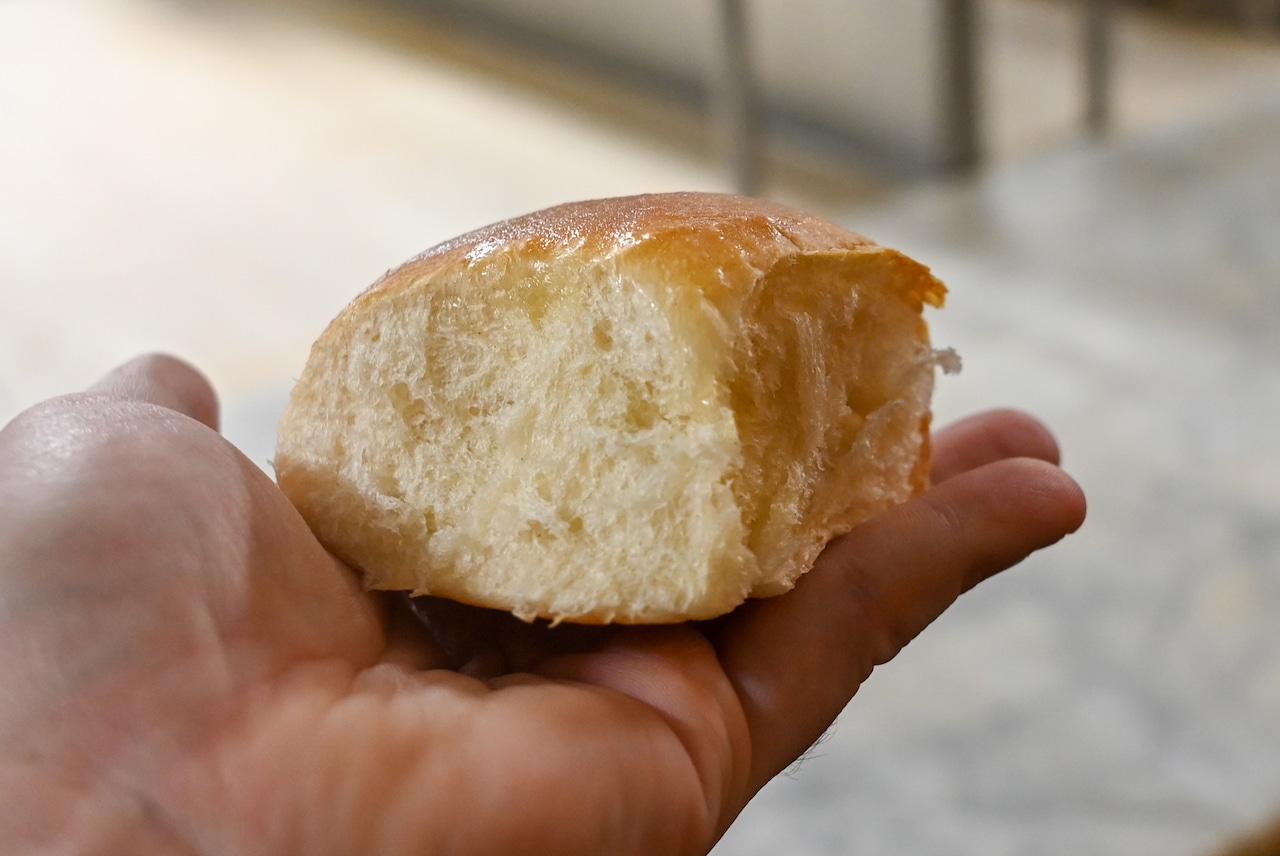
Parker House rolls represented a major advancement in breadmaking. Wilson attributes that to the Parker House’s bakers as well as the development of refined flours and the availability of baking powder.
“It was a big deal to have that kind of squishiness,” Wilson says.
Parker House rolls don’t have a specific date attributed to their invention. Wilson believes they were introduced “in the late 1860s, early 1870s.”
When Parker House rolls began to grow in popularity, it was common for chefs and cookbooks to attempt to reverse-engineer the roll. But the recipe was largely kept in house.
That was until the 1930s, when Eleanor Roosevelt visited the Parker House along with her husband, who was running for president. According to Wilson, she fell in love with the rolls.
“She got back to Washington and said, ‘Can you send me the recipe?’ How could we say no to a first lady?” Wilson says.
That’s how the Parker House officially published its recipe for the first time.
It’s not an actual fish. It’s scrod.
Want an affordable order of fish for dinner in New England? Order the scrod.
What exactly is “scrod?” It’s not an actual species of fish. It refers to a dish made with white fish like haddock or cod.
According to Wilson, the term was coined at the Parker House and referred to the “lightest, freshest white fish of the day.”
Specifically, it consisted of the daily picks of fish found at the market that morning and can refer to cod, haddock, sole or any common white fish.
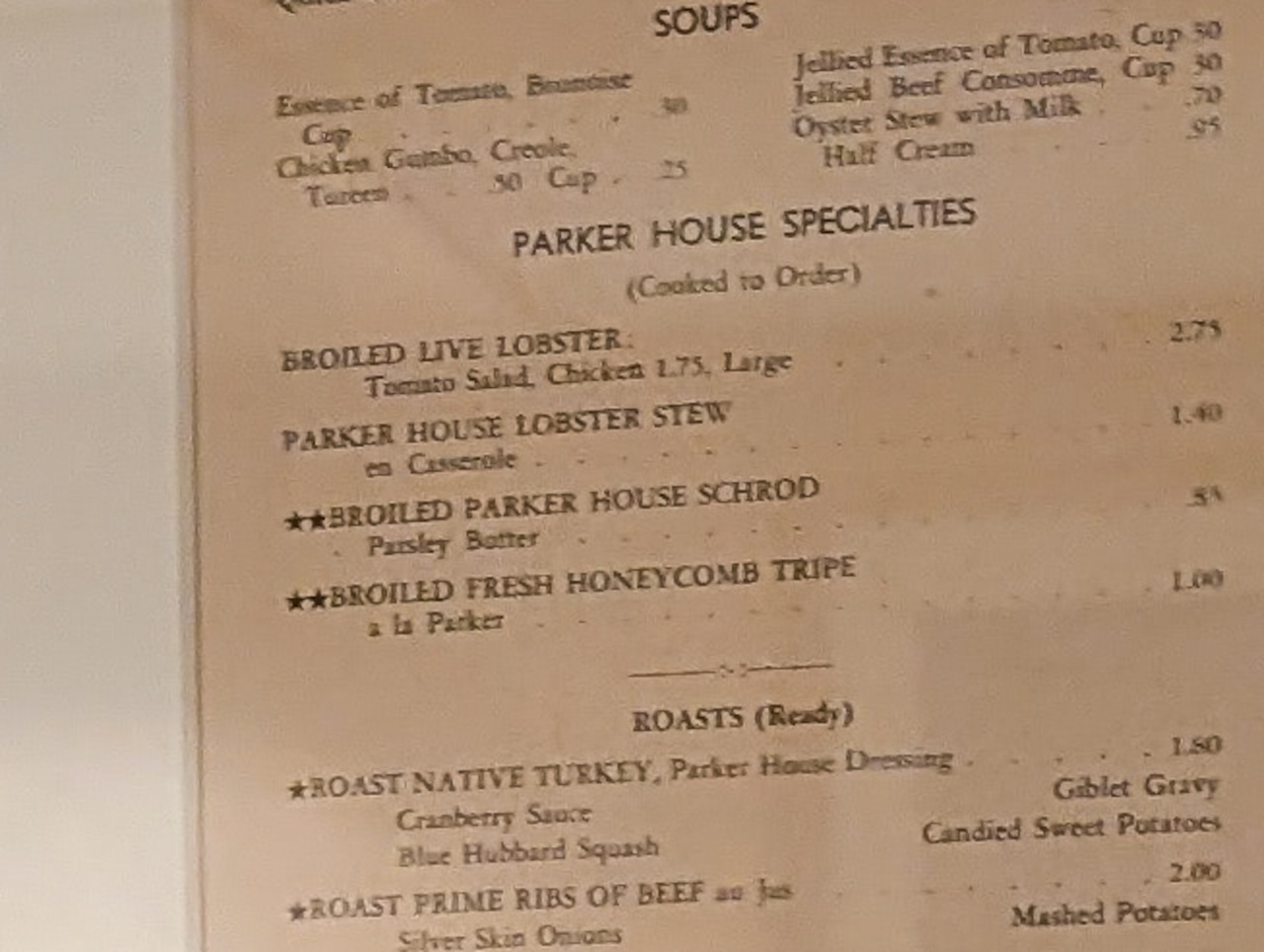
As the picture from the 1944 menu above shows, scrod was sometimes spelled with an H.
“The legend is, when it’s spelled with just the C, that it is cod that day. But if it’s the H that it’s haddock,” Wilson says.
However, the Parker House historian is skeptical of those legends. Sure, it could work at a time when menus were on blackboards. But it didn’t make much sense to reprint menus based on the catch of the day.
These days, the definition of scrod has changed a bit. At the Parker House, it represented the freshest white fish the kitchen could find.
For most places, it’s more of a catch-all term for a dish made with white fish where the exact fish isn’t defined.
The official state dessert of Massachusetts
Before their famous dinner rolls were a hit, the Parker House came up with the hottest dessert of the 1850s. That would be the Boston cream pie, which is actually a cake.
In 1856, Parker House pastry chef Augustine Anezin had the innovative idea to put chocolate ganache on a cake. At the time, most cakes in America were baked in pie tins. As a result, the words cake and pie were used interchangeably, hence the dessert’s misleading name.
Anezin’s concept featured two layers of yellow sponge cake with a layer of pastry cream in between and chocolate on top.
Initially, it was called the “cream pie.” Later, it was coined the “Parker House chocolate cream pie.”
It wasn’t until the 1950s, when Pillsbury and other major companies started sharing the recipe, that the term “Boston cream pie” became common.
The Parker House still uses the core of Anezin’s 170-year-old recipe to this day — just with a couple of tweaks for presentation.
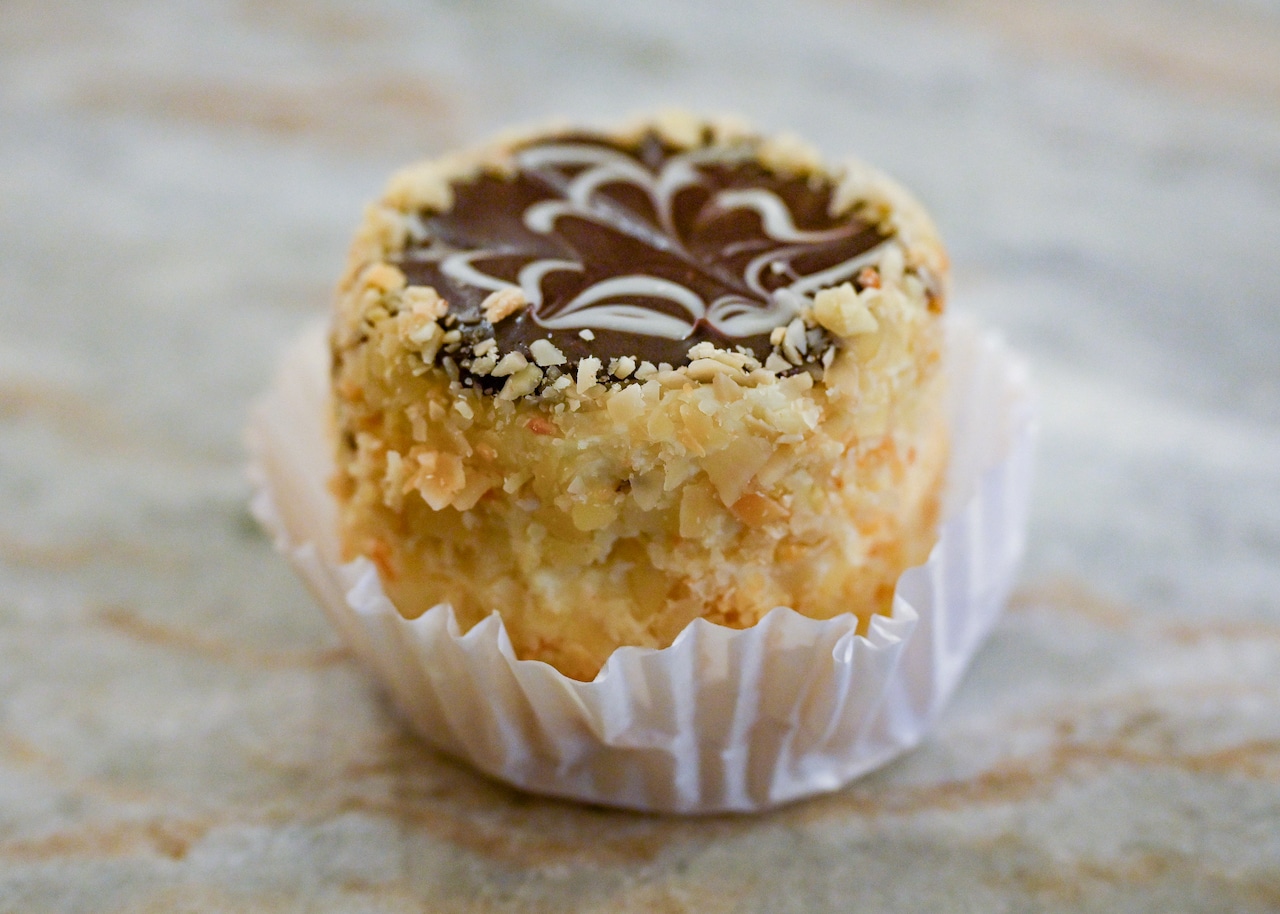
The Boston cream pie served at the Parker House uses the original 1856 recipe for the cake, pastry cream and ganache. More recently, the Parker House started coating the outside of the cake in toasted almonds and adding a white chocolate “spider web” design on the ganache.
The Parker House’s version of the dessert is a departure from the version you may find at your local supermarket. Most other versions of the dessert are sweeter and have more ganache.
However, the Parker House maintains that nothing stands up to their version.
“I say that all the time. You haven’t had it until you’ve had ours,” says Parker House pastry chef Sheri Weisenberger.