

The recent ousting of Market Basket’s longtime CEO Arthur T. Demoulas sent shock waves through New England, where generations of loyal shoppers now worry about the stores they relied on for generations.
Demoulas, commonly known as “Artie T.” to his supporters, is seen by many as the embodiment of the company’s community ethos. While his departure could mark changes, it’s still unclear how much it will affect the average shopper or employee.
Market Basket’s customers praise not only its “More for your dollar” prices but also its community-focused atmosphere. Unlike competitors, the chain has resisted self-checkout, and shoppers are accustomed to the availability of store employees when needed.
Many of those employees have been with the company for decades, as can be seen on each worker’s name tag boasting the length of their tenure at Market Basket.
Employees receive profit-sharing bonuses — even part-timers — and many at corporate headquarters began as cashiers or baggers, thanks to the company’s promote-from-within culture.
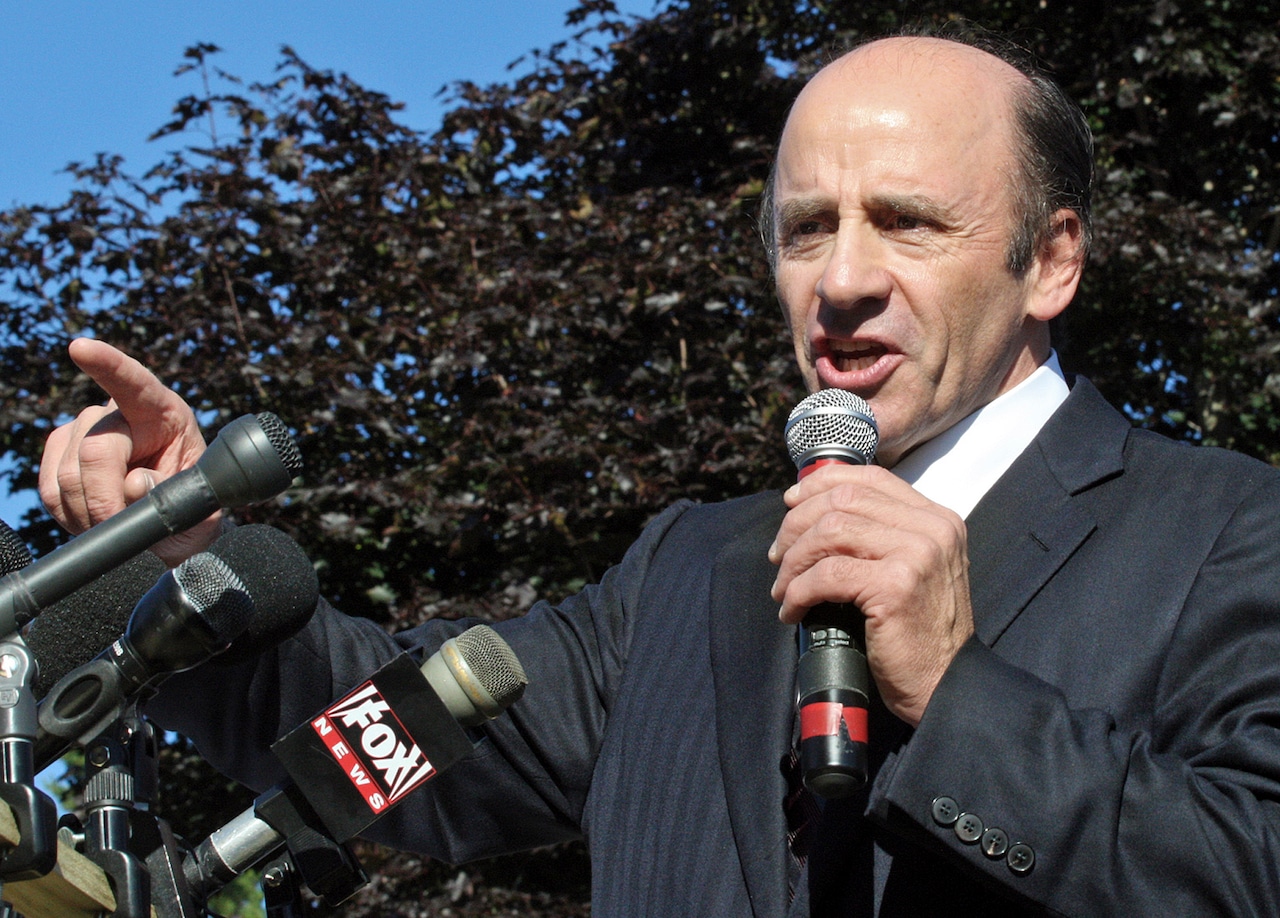
Market Basket was ranked second among top U.S. grocers on the 2025 Retailer Preference Index compiled by data firm Dunnhumby. Survey respondents said the store’s low prices and care for both employees and customers kept them coming back, with one saying Market Basket was “a model for how to run a big business.”
The chain’s reputation has prompted local politicians to chime in on Demoulas’ behalf. Methuen Mayor David Beauregard called the city’s two stores a “community lifeline” in July and U.S. Rep. Lori Trahan, D-3rd District, wrote in an open letter in response to the CEO’s termination that the company was “a cornerstone of who we are.”
“Some of my earliest memories are of being hoisted into a shopping cart as my mom navigated the crowded aisles and met up with neighbors,” wrote Trahan, who represents Lowell, where the original Demoulas Market opened in 1917. “Those trips weren’t just errands — they were rituals that taught me what community feels like, what hard work looks like and how far a dollar can go when a company truly cares about the people it serves.”
The first time Artie T was fired
More than a decade ago, Demoulas was fired for the first time after his cousin Arthur S. Demoulas, or “Artie S.,” gained control of the company board of directors.
The 2014 dispute stemmed largely from tension between the two sides of the family, but Arthur T. Demoulas was also accused of shutting the board out on key business decisions and strategy.
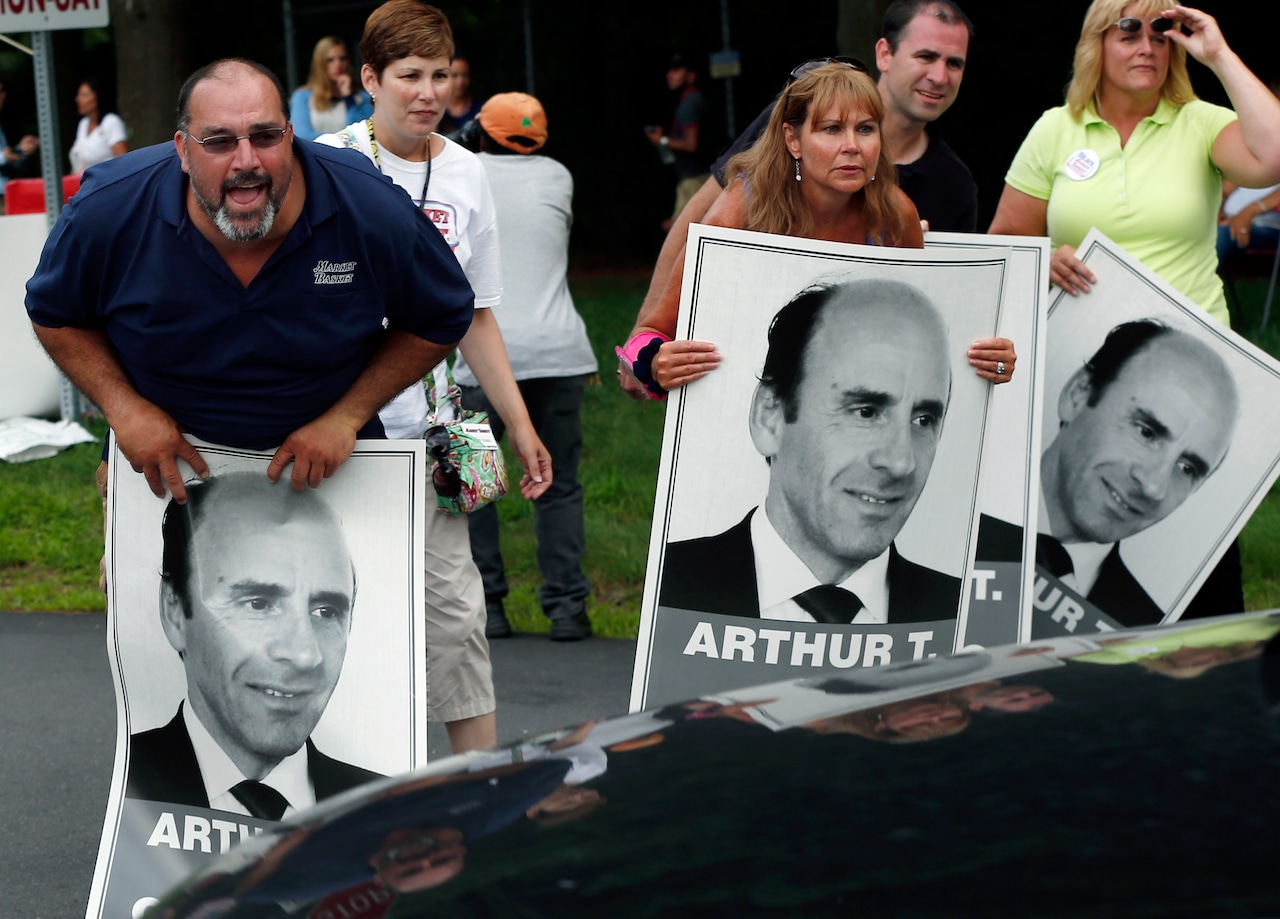
“There were allegations against him that he was trying to do everything,” said Grant Welker, a Boston Business Journal reporter who covered the 2014 protests for the Lowell Sun newspaper and co-wrote the book, “We Are Market Basket: The Story of the Unlikely Grassroots Movement That Saved a Beloved Business.”
“He wasn’t running enough things by the board, whether it’s scouting a new location or opening a new location or personnel decisions, budgeting in terms of profit-sharing and bonuses,” he added.
Suppliers, employees and shoppers began a boycott, with many former customers papering store windows with receipts from other supermarkets to emphasize the point. There were frequent rallies outside stores calling for the CEO’s reinstatement.
The outrage was fueled by loyalty to Demoulas, who was viewed as a rare, honest and generous executive devoted to keeping prices low, treating employees well and maintaining good relationships with individual employees and customers. He was known for frequently visiting stores and remembering workers’ names and birthdays.
The boycotts lasted nearly two months and ended with Demoulas and his three sisters, Caren, Frances and Glorianne, buying out the other side of the family for $1.6 billion. The company finished paying off the debt from the purchase in December 2024.
“It was kind of lightning in a bottle that he was given another chance in 2014 after everybody rallied to get him back,” Welker said. “And if you believe the allegations by this board in a different iteration now, he hasn’t changed.”
What happened to Arty T in 2025?
Ten years later, in August 2024, the company was, at least outwardly, doing well. The Boston Globe wrote at the time that business was “better than ever,” with 40% more employees and 20 more stores than a decade before, for a total of 35,000 workers and 90 locations.
The company marked the anniversary with a video shared on social media compiling footage from the protests.
“It’s been 10 years since the Market Basket family of customers and associates came together in such a remarkable way because so many had the courage and loyalty to imagine,” the video’s voiceover says.
But behind the scenes, things were different. In a lawsuit filed last month, attorneys for the company accused the former CEO of many of the same behaviors that led to his firing in 2014. They wrote that he had “a long-standing history of exercising his own unfettered discretion as to virtually every important decision at the company — while ignoring and stonewalling the Market Basket Board.”

In the same month as the 2014 walkout anniversary, the board gave Demoulas a list of demands — including avoiding any public recognition of the event. However, the board says he did not comply with any of the requirements, and began “plotting with his closest lieutenants to sabotage the company.”
A major point of contention was who would take over the company from the 70-year-old CEO. According to the lawsuit, Demoulas insisted only his children, Madeline and Telemachus “T.A.” Demoulas, be considered and refused to engage in succession planning or even to allow the board to meet with his son and daughter.
He also refused to provide annual budgets, get sign-off on or notify the board of major capital expenditures or make senior managers or other officers available to board members, according to the complaint.
“Mr. Demoulas at one point openly dared the Plaintiff Directors to fire him rather than submit to meaningful board oversight, apparently banking on an employee walkout and customer boycott,” the company’s attorneys wrote.
Demoulas disputed the company’s account of events, denying all of the allegations against him in his response and countersuit filed on Wednesday. His attorneys claim that the demands brought to him in August were presented only as topics for discussion, not mandatory action items.
Meanwhile, Demoulas claims his sisters had been working behind the scenes to remove him due to resentment of his success and the recognition he received as head of the company. They had stacked the board of directors with members loyal to them, despite alleged conflicts of interest, and removed those who supported the CEO.
“In recent years, the sisters have vocalized desires for their children to take more active roles in the company, for T.A. and Madeline to be excluded from the company’s succession planning, and for Market Basket to sacrifice its cherished people-first identity in favor of the pursuit of increased stockholder distributions to benefit the sisters personally,” his attorneys wrote in court documents.
During a January board meeting, the company’s chief financial officer agreed to work with the board on a budget for the year, according to meeting minutes filed as an exhibit to the lawsuit.
However, the question of succession planning was still a problem: Minutes from an executive session that day, obtained by the Boston Globe, showed that Demoulas wanted his children to take over, but his sisters said they would not support the plan.
In interviews with the Globe, those present at the meeting shared conflicting accounts of the conversation. Some said that though Demoulas wanted his son and daughter to succeed him, he was open to others if the board found they were not fit to do so, and provided two other suggestions. However, board Chair Jay Hachigian and an attorney representing the board told the Globe that the CEO refused to consider any alternatives.
Company Secretary Andrea Batchelder even disputed the official record, writing at the bottom of the minutes that she did not “attest to their accuracy.” She further explained in a cover letter accompanying them that she had originally included a note that Demoulas had asked if there were any “negatives” in his performance and the board had not shared any, but she was forced to remove this from the final account, “even though the question was asked numerous times.”
Demoulas’ attorneys echoed the alternative version of events in court documents.
“Mr. Demoulas has stated clearly to the board on multiple occasions that if there were an immediate or unexpected need for a new CEO he would recommend Madeline and T.A.,” they wrote. “But he recognizes that it is the board’s duty to evaluate qualified potential candidates to succeed him as president and CEO and to choose the right successor who is in the best interests of the company and its stockholders.”
In May, the directors loyal to the sisters — three of the four people left on the board — formed a new Executive Committee, to which they delegated all of the board’s powers. The remaining member, Bill Shea, a Demoulas supporter, was not told of this move in advance, writing in a letter to Hachigian in June that “Directors are not supposed to ambush one another.”
Two weeks later, the Executive Committee suspended Demoulas along with his son and daughter and several other executives, again failing to provide Shea with any notice. At the time, Demoulas’ spokesperson referred to the situation as a “hostile takeover.”
“Instead of managing this situation responsibly and working through differences in the best interest of the company, the Executive Committee has effectively declared a civil war,” Shea wrote, adding that he had not been provided with any explanation for why the decision was made. Shea himself was removed from the board in August.
Five executives have also been fired, in addition to Demoulas’ removal on Sept. 9 following an unsuccessful mediation session.
Demoulas’ legal team called his suspension and the investigation into him an unfounded “witch hunt” motivated by his sisters’ resentment of his success and the recognition he had received as head of the company, and in turn the board members’ loyalty to the sisters.
They wrote that after Demoulas’ suspension, his nephew Michael Kettenbach Jr., son of his sister Frances, became the de facto leader of the company. This was despite a previous incident in which Kettenbach had been found to have used his authority within Market Basket to source deli products from his own, separate company until he was discovered in 2017, according to Demoulas’ account.
“While at the helm, Mr. Kettenbach Jr. and others collaborating with him reshuffled the company’s management, promoted the sisters’ loyalists, fired and demoted those who spoke up on Mr. Demoulas’s behalf, curried favor with potential allies for the sisters with pay increases and financial incentives, changed company policies and practices, created uncertainty among Market Basket’s employees about the organization’s future and instilled fear of retaliation among employees if they raised questions or concerns about the ongoing coup,” Demoulas’ attorneys wrote.
The future of Market Basket
Though the response to the current drama has not been nearly as impassioned as in 2014, some shoppers are taking action. A handful have held protests outside the chain’s Tewksbury headquarters and others have shared images on social media of their solitary grocery receipts taped to Market Basket windows, carrying on the tradition from the 2014 protests.
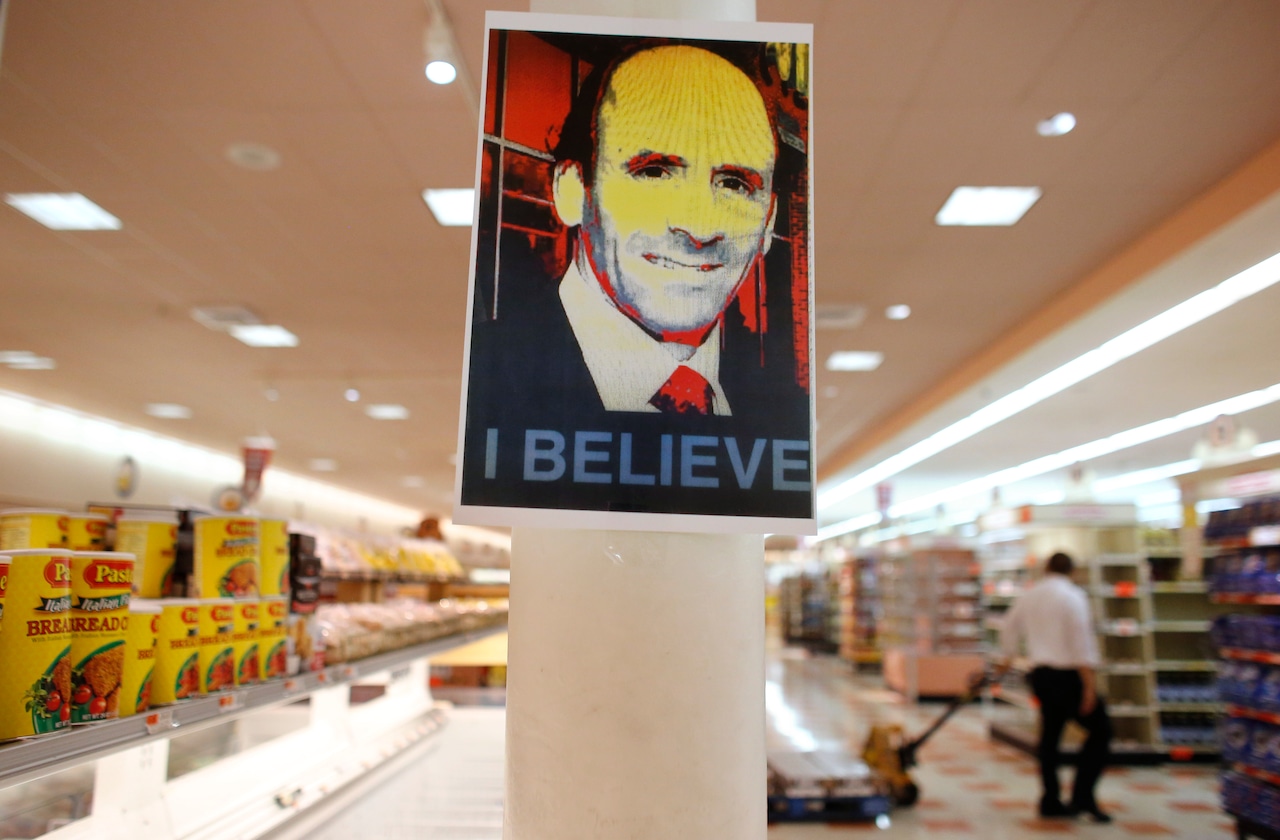
One group of customers and current and former employees around New England formed a group on the messaging platform Discord to plan a boycott and information campaign, distributing flyers to encourage neighbors to shop elsewhere. They say they worry about the company being sold, prices going up and employee benefits going away.
“What makes Market Basket stand out as an outlier amongst [competitors] is their bold commitment to their core principles, and if they get bought out by a corporate conglomerate, they are pretty much destined to lose those qualities,” one flyer reads.
The Market Basket board has said that it won’t make any big changes to the things that make it so beloved.
“We assure our valued associates and customers that, as we have demonstrated over the past several months, Market Basket will not change its operations, profit-sharing, bonuses or culture, and will continue to offer the best groceries at the lowest prices anywhere in New England — well into the future,” board Chairman Hachigian said in a statement when Demoulas’ termination was announced.
Welker, the author of “We Are Market Basket,” said it made sense that people would be concerned, but he said he believes Hachigian’s promise that things will mostly stay the same.
“If you’re one of Arthur’s sisters and you helped sort of save the day in 2014 by helping him buy out the company, they would presumably have an appreciation for what makes Market Basket unique and so popular,” he said.
It’s also unlikely the company itself will be sold any time soon. Though the three sisters collectively own about 60% of the business, Arthur Demoulas still holds 28%, and any sale would require sign-off from all four siblings.
“The business means a lot to them,” Welker said. “In large part that helps explain why there have been these power struggles over the years … They do want to hold onto the company and they do know how much it is a part of, of course, their family history, but also local histories.”
The biggest question for the near-term is who will take over the corner office. After Demoulas was fired, The CFO, Donald Mulligan, was appointed interim CEO, with Hachigian calling the 42-year employee “the voice of consistency.” However, there is no word on who will take over permanently, or even when that person will be selected.
After the Boston Globe published an op-ed calling for Demoulas’ reinstatement this summer, Hachigian responded in a letter published by Boston.com, denying that there had been any discussion of appointing the children of any of the Demoulas sisters.
“This isn’t an argument among family about money or control — despite the talking points of Arthur’s PR campaign,” he wrote. “It is about accountability; i.e., how to manage an $8 billion company so that it thrives for the next 100 years.”
If you purchase a product or register for an account through a link on our site, we may receive compensation. By using this site, you consent to our User Agreement and agree that your clicks, interactions, and personal information may be collected, recorded, and/or stored by us and social media and other third-party partners in accordance with our Privacy Policy.