

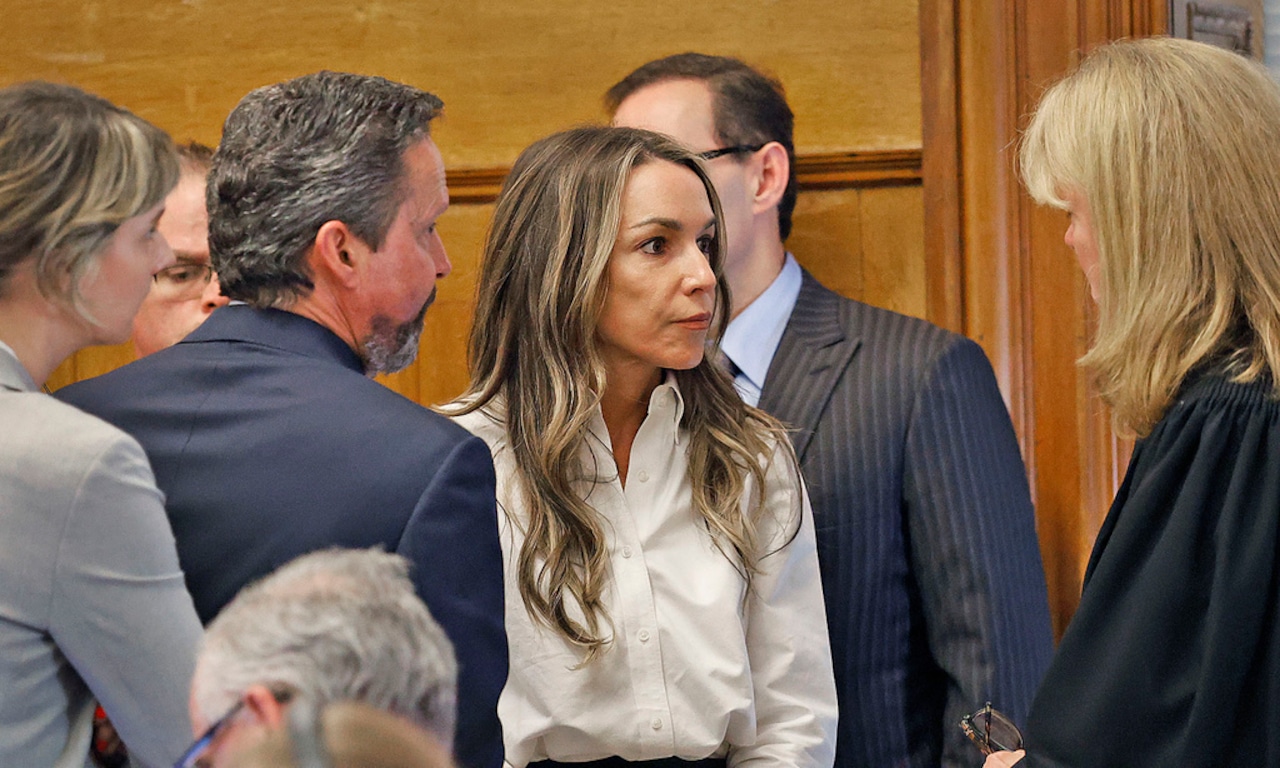
The jury in the Karen Read trial got the day off Thursday, after Read’s defense rested on the 31st day of the retrial for the death of her boyfriend, Boston police officer John O’Keefe.
Without the jury in the room, prosecutors and Read’s defense will convene for a charge conference starting at 10 a.m. — the final time lawyers will be able to argue procedural issues before delivering their closing arguments. At the conference, lawyers for both sides will present their proposed jury instructions to Judge Beverly Cannone.
But before getting into the instructions, Read’s defense is expected to renew its motion for a required finding of not guilty — a standard motion following the close of evidence in a criminal trial. The defense moved for a required finding when the prosecution rested its case, but Cannone denied the motion.
Both prosecutors and the defense filed their proposed instructions earlier this month. Cannone will hear from the lawyers before hammering out the final instructions delivered to the jury, which she is expected to do on Friday.
In the prosecution’s proposed instructions, they ask Cannone to instruct jurors on one of three prongs that comprise second-degree murder, the most serious charge Read faces.
Read “intended to do an act which, in the circumstances known to the defendant, a reasonable person would have known created a plain and strong likelihood that death would result,” the instructions read.
The defense, on the other hand, has requested a missing witness instruction for three key witnesses who were not called by prosecutors: Michael Proctor, the lead investigator in the Read case; Brian Albert, who owned the home O’Keefe was found outside of; and Brian Higgins, a federal agent who flirted with Read over text.
The “underlying premise of a missing witness instruction is that a party’s failure to call a prospective witness raises a reasonable inference that this witness would have provided testimony adverse to that party and a jury should be afforded the opportunity to consider that information in their deliberations, if they deem it to be reasonable,” Read’s defense team wrote in a motion.
Essentially, the instruction would allow the jury to consider that Proctor, Albert and/or Higgins would have offered testimony that harmed the prosecution’s case. All three men were called at Read’s first trial.
The defense has argued all three were available to testify and are friendly to the commonwealth.
“Each of these three witnesses would offer meaningful testimony that is neither cumulative of other witnesses that have been called, nor would their testimony be unimportant,” the motion reads.
Jack Lu, a retired Superior Court judge, said judges typically allow lawyers to argue a missing witness but don’t offer the instruction to the jury.
“The Proctor issue is interesting,” he said. “The defense can clutch its pearls all day long about Mr. Proctor’s transgressions, but they didn’t have the guts, nor were they foolish enough, to put him up in front of the jury.”
The defense is not asking Cannone to give jurors a third-party culprit instruction, a reflection of the way Read’s defense moved away from casting blame toward others for O’Keefe’s death to criticizing police for failing to investigate anyone but her.




