
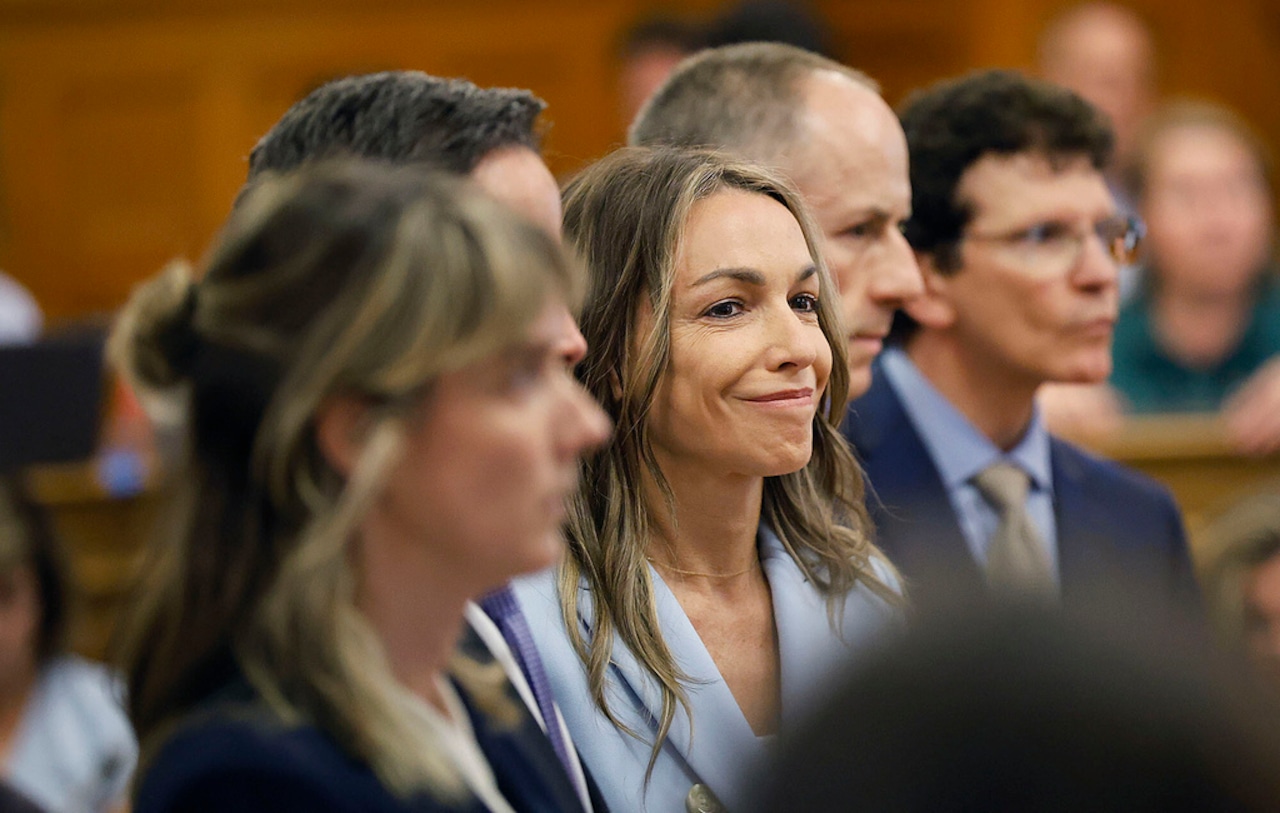
Karen Read added three new lawyers to her defense team to represent her in the wrongful death lawsuit brought by the family of her boyfriend, Boston Police officer John O’Keefe.
Read, 45, was acquitted of all charges connected to the death of O’Keefe last month following a lengthy trial. Prosecutors had accused her of backing her Lexus SUV into O’Keefe after a night of drinking. She was found guilty of operating under the influence.
When Read’s first trial concluded in a mistrial last year, O’Keefe’s family filed suit in Plymouth Superior Court, claiming Read was responsible for O’Keefe’s death. The family also named two Canton bars where the pair drank on the night of his death as defendants.
A trio of attorneys, all with the Boston-based firm Sheehan Phinney, filed appearances to represent Read in the civil case, which is pending in Plymouth Superior Court.
Specifically, Damon Seligson, Charles Waters and Aaron D. Rosenberg all joined Read’s defense team last week, according to court filings. They join three lawyers from the firm Melick & Porter, who already represented Read: Christopher George, William L. Keville Jr. and Marissa K. Palladini.
The three lawyers from Sheehan Phinney all cite business litigation as an area of expertise. It’s not clear what role they will take in the civil case.
An attorney representing one of the Canton bars, C.F. McCarthy’s, withdrew from the case last week. Kevin Bergin, of the firm Peabody & Arnold, did not list a reason for his withdrawal.
The civil case could mark the first time Read speaks under oath about the events of Jan. 29, 2022, when O’Keefe, 46, was found near death in the snow outside the home of a fellow Boston Police officer in Canton. Her deposition, along with those of her parents and sister-in-law, had been on pause while the criminal trial was ongoing.
But Read could choose to invoke her Fifth Amendment right not to testify, though if the case made it before a jury, the panel could make a negative inference about that decision.
The burden of proof in a civil case is much lower than in a criminal case, and jurors need only to find that a “preponderance of the evidence” shows something is true.
No trial date has been set for the case.
If you purchase a product or register for an account through a link on our site, we may receive compensation. By using this site, you consent to our User Agreement and agree that your clicks, interactions, and personal information may be collected, recorded, and/or stored by us and social media and other third-party partners in accordance with our Privacy Policy.