
In recognition of Native American Heritage Month in November, MassLive asked readers to identify people who are leaders from the Indigenous community throughout the state, working to make a difference in their own area of interest, be it politics, education, business or the arts.
MassLive will publish profiles of these leaders through November. These are people our readers have identified as inspirational, who may be doing good acts for their communities. They are being recognized for their accomplishments, leadership and commitment to inspire change.
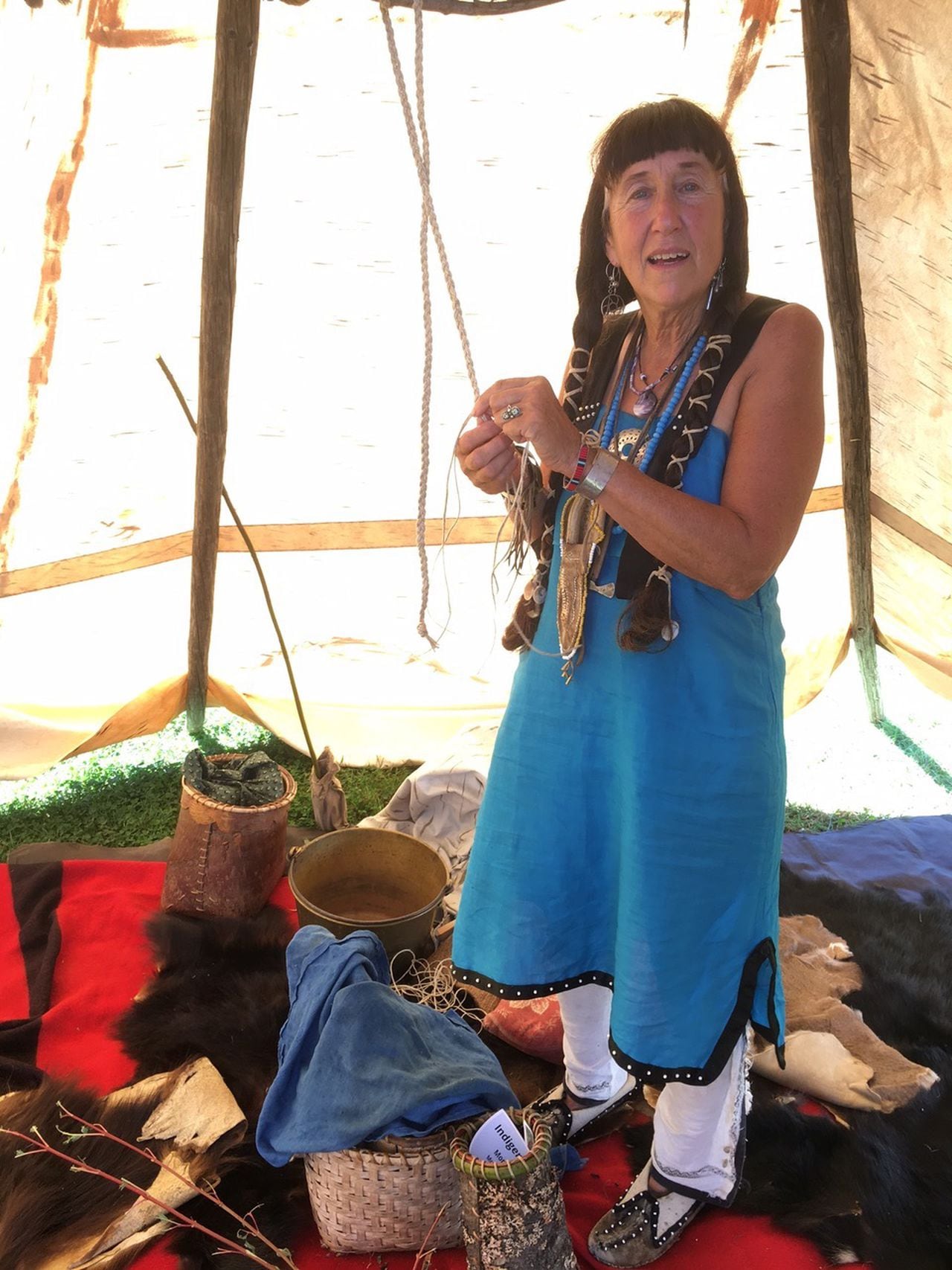
Jennifer Lee (Submitted photo)Submitted photo
Jennifer Lee
Age: 68
Community: Plainfield
Her story: Jennifer Lee grew up in a family of five children without knowledge of her multi-ethnic background. But she did hear her grandmother’s stories and commentary.
“My grandmother told me the Native names of places and that Columbus was a scoundrel,” Lee said. “My grandmother lived in Mystic, Conn., and was a historian. There used to be a statue of (Captain John) Mason, who led a horrific massacre on one of the Pequot villages. I asked my grandmother who that was, the statued man on the horse, and she answered ‘nobody.’”
Later, Lee brought her 9-year-old daughter to Mystic and stopped to visit the statue. When they read the plaque, her daughter was moved to write a letter to the town asking that the statue be removed.
Lee learned about her own Native ancestry through historical and genealogical research. She also learned as an adult that her impressions of Indigenous people were not right and made it her lifelong goal to educate herself about Native history, life ways, material culture, values and ethics.
She has come into schools sharing what she has learned and now works with Native presenters who offer programs on stories, history and Native culture.
She joined the Nolumbeka Project, an organization that teaches local Native history. Through the project, she made a movie series of short interviews with Native artists, educators and elders — the Nolumbeka Project Indigenous Voices Film Series.
In addition to her work with this project, she is also an artisan.
“I make bark baskets and offer classes where people make a bark basket — which is a lot of hard work — that brings students happiness and satisfaction and a little understanding of the seasonal harvest in the Northeast Woodlands, of bark and roots and branches from this land,” she said.
In her words: “Sitting in a circle is an act of decolonization that people intuitively understand. I am always amazed at how kids take to that circle. I teach history and material culture; that is what I have to share. If I feel unable or unqualified to answer a question I say so.”
We’re always open to hearing about more inspiring people. If you’d like to suggest someone else who should be recognized, please fill out this form.