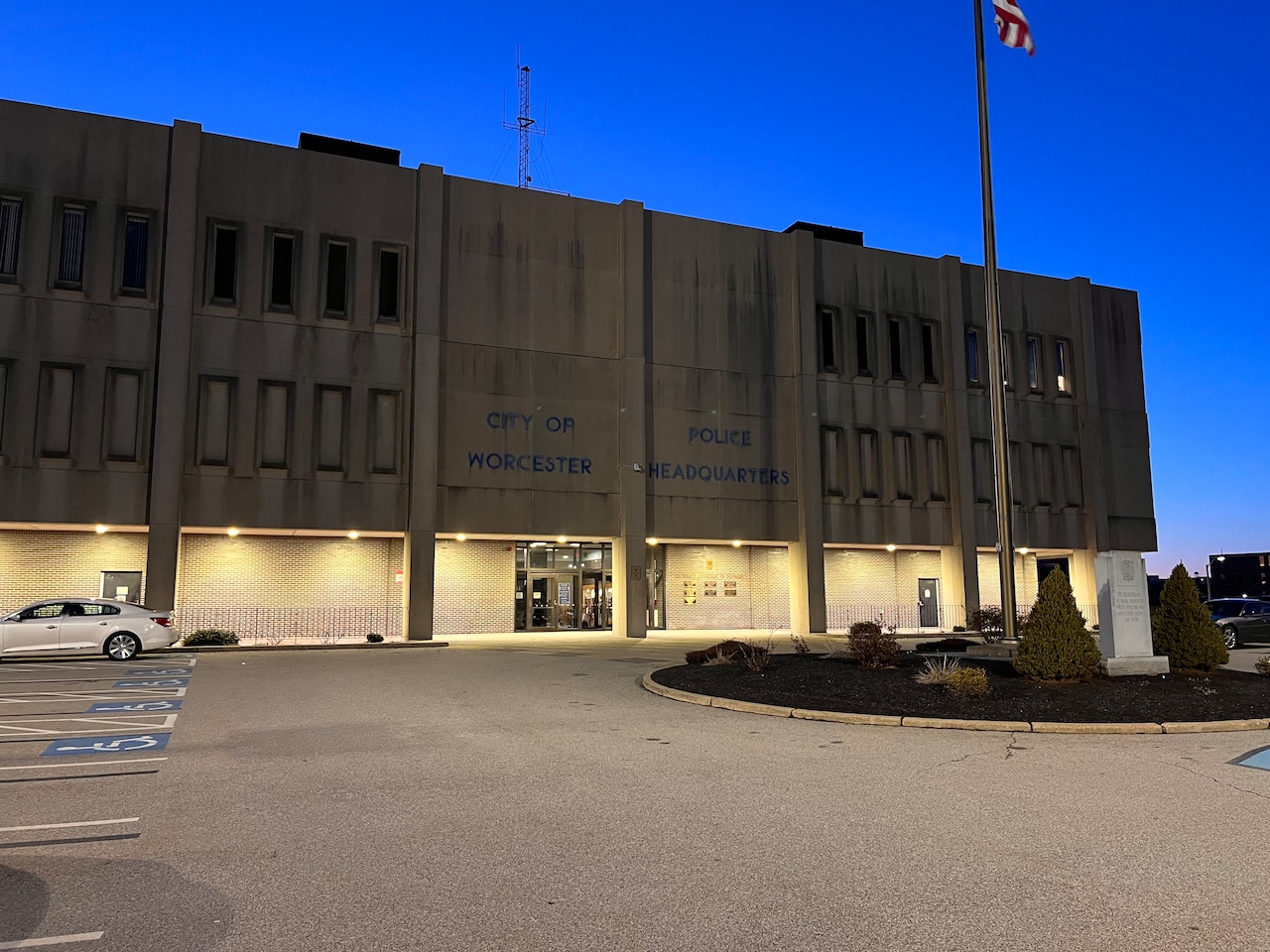
Many in the Worcester community are eager for change following the release of a report from federal officials accusing the Worcester Police Department of using excessive force and engaging in sex acts with prostituted women. But will they get it?
During a community meeting at the Worcester YWCA on Wednesday, U.S. Department of Justice officials attempted to answer this question by explaining the reform process that follows a report of this kind. They also clarified what the community can expect in regards to holding the police department and individual officers accountable for misconduct.
Nearly all the chairs in the YWCA’s gymnasium were full as dozens of community members gathered to ask DOJ officials questions about their investigation, but federal officials spent a large portion of the meeting soliciting feedback from attendees about what they think needs to change at the Worcester Police Department. The community’s responses Wednesday night could help shape reforms implemented by the department.
The reform implementation process
Now that the 41-page report has been released to the public, the next step is for the DOJ to begin negotiations with the Worcester Police Department and city officials to create some type of agreement stipulating what reforms the police department will adopt and how and when they will adopt them, Assistant Massachusetts U.S. Attorney Michelle Leung told a group of community members during a breakout session.
“This makes sure that it’s serious. It’s not just a verbal promise,” she said.
The DOJ report included 19 recommendations for changes it believes the Worcester Police Department should implement to fix its excessive force and inappropriate sexual conduct problems. These suggestions ranged from improving the department’s use of force and escalation standards to “a complete prohibition on engaging in sexual contact for law enforcement purposes.”
The method of enforcing the agreement may differ depending on what type of agreement is utilized, First Assistant Massachusetts U.S. Attorney Mary Murrane told the crowd Wednesday night. Some agreements do not include the use of a formal monitor who oversees implementation of the reforms.
Conversely, a consent decree — which was utilized by the city of Springfield in 2022 after the DOJ released a similarly damning report about the city’s police department — is a formal dispute settlement agreement filed in federal court in which no party need admit guilt. Springfield’s consent decree gave the responsibility of overseeing the implementation of police department reforms to a federal judge, Leung said.
Criminal charges?
Another question that has lingered since the release of the DOJ report is whether any Worcester police officers will face criminal charges in connection with “credible” sexual assault and misconduct allegations that federal officials said they uncovered while investigating the police department.
Some officers have sexually assaulted women under threat of arrest and engaged in “other problematic sexual conduct,” according to the report. One such incident detailed by federal officials involved an officer forcing a woman to perform oral sex in a local cemetery. In another, an officer paid a woman for sex acts by giving her drugs and a ride to a hospital.
But even though the report recounted these harrowing stories, Murrane said that, because this was a civil — as opposed to criminal — investigation, filing charges was not within investigators’ purview. That is the job of criminal assistant U.S. attorneys, and information about potential criminal conduct uncovered during the investigation was passed to them.
“When we find certain kinds of conduct in the course of a civil investigation, there is a process where we refer information to criminal attorneys, and those are independent from anyone on the team who is doing the civil investigation,” she said.
These attorneys decide on their own whether to open a case and file charges, officials said. DOJ officials declined to comment on any criminal investigations related to the investigation into Worcester police and refrained from confirming whether any such investigations are taking place.
The Worcester community’s recommendations
Some attendees said they think the Worcester Police Department needs more training on skills such as deescalation, while others felt that attitudes that lead to problems such as excessive force are too deeply ingrained in the department to be remedied by additional training.
Some community members thought the issues identified in the report were “systemic” within the policing profession. A larger culture shift where officers report each other for misconduct instead of protecting each other is necessary to enact lasting change, they said.
Many attendees were also concerned that nothing would come of the report itself, especially given Worcester police officers’ repeated reticence to accept its findings as valid. The department should be held accountable for its actions through punishment that is harsh enough to incentivize change, they said.
“There’s no point of a report if there’s no action, if there’s no teeth,” said Sofia Lucas McGrath, who works in Worcester.
District 5 City Council Etel Haxhiaj said after the meeting that it was “a good start” in terms of taking action based on the report.
“What I heard from community members is that there needs to be, embedded in the agreement with the city, enforceable and tangible, concrete recommendations,” she said.
Haxhiaj also called on the Worcester Police Department to change course and accept the report’s findings so that it can address community members’ concerns and implement reforms effectively.
“The community has shown up time and time again to say, ‘Here’s the evidence,’ that there’s patterns of behavior,” she said. “You need to start with acknowledging and accepting that this is something that the police department needs to work on.”
City Councilors met the previous day on Tuesday and heard hours of feedback from bitterly divided residents. Some argued that anti-police federal officials had used anonymous, unreliable testimony to disparage a largely innocent city law enforcement agency, while others calling for change insisted that the report was a long-overdue backing of problems well-known to Worcester’s most vulnerable residents.
Anyone looking to provide feedback to the DOJ about the Worcester Police Department, the Justice Department’s investigation, the DOJ report or what changes the police department should implement is asked to email federal officials at community.wpd@usdoj.gov.