
From household names to niche suppliers, a flood of Chapter 11 bankruptcy filings reshaped the landscape of retail, food, and consumer services in 2025.
What once might have been dismissed as “just another bankruptcy” has become a pattern: rising interest rates, shifting consumer habits, heavy debt burdens and tough credit conditions have exposed which business models no longer hold up.
Court dockets across the country show a substantial uptick in filings — a wake-up call to investors and policymakers alike.
According to the Administrative Office of the U.S. Courts, from March 2024 to March 2025, business bankruptcies skyrocketed 14.7% over the previous year.
In fact, business bankruptcies surged from 20,316 in March 2024 to 23,309 to March 2025.
And the pattern has continued as 2025 comes to a close.
In its most recent report, the Administrative Office of the U.S. Courts announced in November that bankruptcy rates for FY 2025 still topped those in 2024 — both personally and professionally.
“Business filings rose 5.6%, from 22,762 to 24,039 in the year ending Sept. 30, 2025,” the agency said.
The office reports bankruptcy totals for the previous 12 months are reported four times annually and will announce the final 2025 report in March 2026.
Below is a roundup of some of 2025’s most notable bankruptcies and what it signals for the road ahead.
Notable bankruptcy filings in 2025
- Del Monte Foods: In July the century-old canned-food company filed for Chapter 11 and began a court-supervised sale process. Facing rising costs and heavy debt, Del Monte secured debtor-in-possession financing to keep running while seeking a buyer.
- Joann Inc.: The arts-and-crafts chain filed for bankruptcy in January, announcing sweeping plans to close stores after failing to find a buyer. The company revealed in court that these inventory issues led to an “unexpected ramp-down, and, in some cases, the entire cessation of production,” which impeded customers wanting to purchase those items.
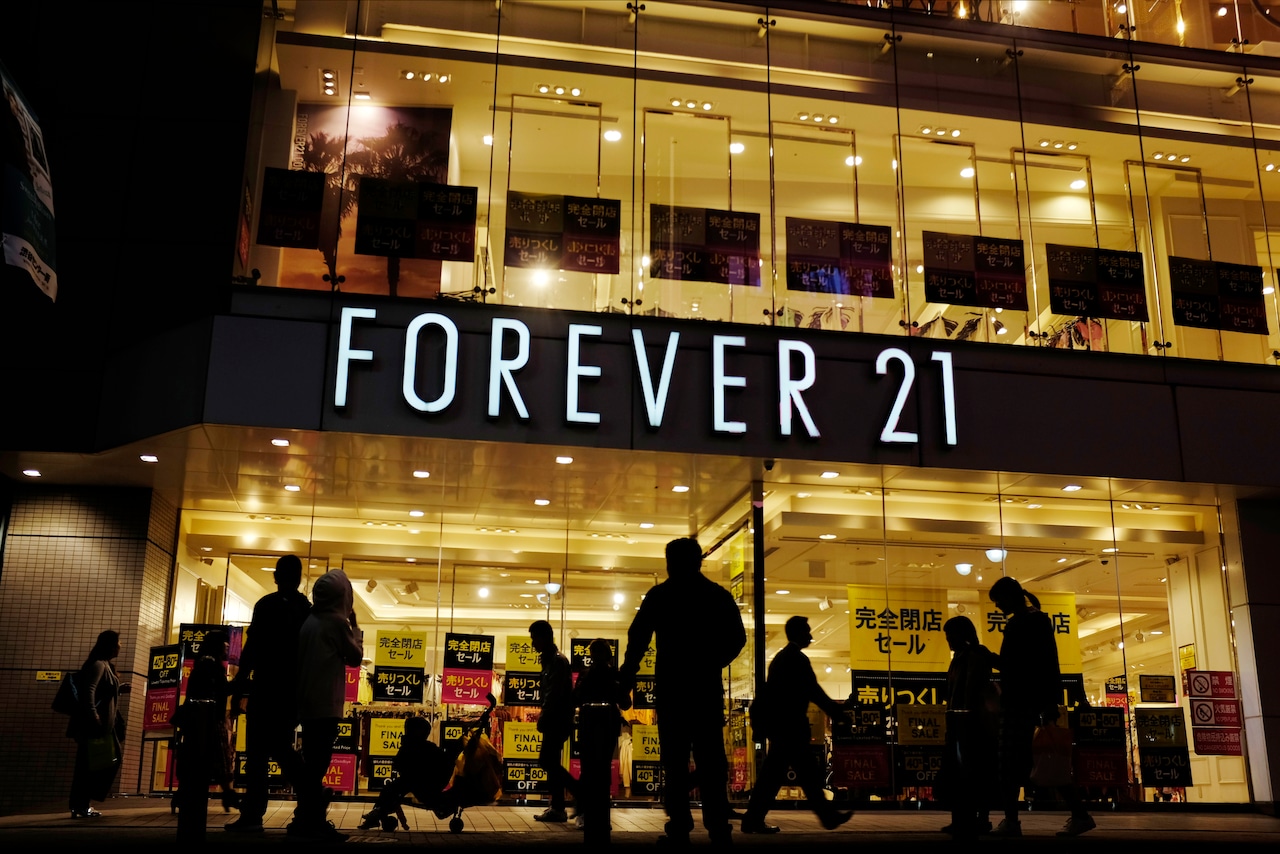
- Forever 21: The fast-fashion retailer filed for Chapter 11 in March, opting to wind down its remaining U.S. stores amid intensifying competition from e-commerce and flagging mall traffic. The company cited “competition from foreign fast fashion companies … pricing and margin, as well as rising costs, economic challenges impacting our core customers, and evolving consumer trends,” at the center of its demise.
- Rite Aid: The longtime pharmacy chain filed for bankruptcy in May, pursuing a court-supervised sale of parts of its business as it struggled to stabilize after earlier restructuring efforts. It first filed for bankruptcy in 2023, citing mounting debts as a main contributor.
- Hudson’s Bay Company: The longtime retail name, based in Canada but with a U.S. footprint, confronted financing failures in March. It entered creditor workouts and sold off intellectual-property assets in a sign of shrinking legacy-brand viability. According to NPR, the Canadian chain has failed to recover post-pandemic and struggled with inflation and trade tensions with the U.S.
- First Brands Group LLC.: Major auto parts maker First Brands Group, LLC. filed for bankruptcy protection in September — revealing billions in mounting debt in the process. Bloomberg described the filing as “capping weeks of turmoil sparked by creditor concern over the auto-supplier’s use of opaque off-balance sheet financing.” The company filed a lawsuit against its CEO alleging massive fraud, claiming he manipulated financial statements and concealed debt to obtain financing that ultimately left the auto-parts supplier “insolvent and out of cash.”
- Claire’s: Claire’s, the jewelry and accessories retailer catering primarily toward tween and teen girls, filed for Chapter 11 bankruptcy for a second time in August. Claire’s said in an Aug. 6 release that it initiated voluntary Chapter 11 proceedings to “maximize the value of its business.” Claire’s CEO said “increased competition, consumer spending trends and the ongoing shift away from brick-and-mortar retail, in combination with our current debt obligations and macroeconomic factors, necessitate this course of action for Claire’s and its stakeholders.”
- Hooter’s: Known for its burgers, wings and brews, Hooters entered Chapter 11 bankruptcy in the the North Texas Bankruptcy Court in Dallas back in April. The bankruptcy filing follows reports of financial struggle from food and labor cost, as well as competition from other restaurant chains.
What’s driving the surge?
Mounting debt
Mounting debts, competition and changing consumer behaviors are largely responsible for 2025’s bankruptcy filings.
Given the wide range of industries and sizable corporations included, it appears no sector is spared from the headwinds.
Many firms entering Chapter 11 this year carry heavy debt burdens from easier financing in earlier years.
Shifting consumer behaviors
For retail, a major contributor is foot traffic, changing consumer interests and competition.
While the list above includes bankruptcies from 2025, it doesn’t highlight the growing list of chains that closed stores to stay afloat.
Chains dependent on mall foot traffic — like Forever 21, Joann and Hudson’s Bay — all faced steep declines in customers.
As consumers increasingly shop online or cut discretionary spending altogether, many of these chains were left with excess retail space and shrinking revenue.
High profile chains like Macy’s, Khol’s, JCPenney’s, Nordstrom, Carter’s and more have all been forced to close stores this year in strategic turnaround plans.
Operating costs
For product-heavy firms like Del Monte and restaurant chains like Hooter’s, rising costs from ingredients, goods and freight, squeezed margins.
Add to that the challenge of carrying large inventories — and companies with narrow margins found themselves unable to absorb shocks.