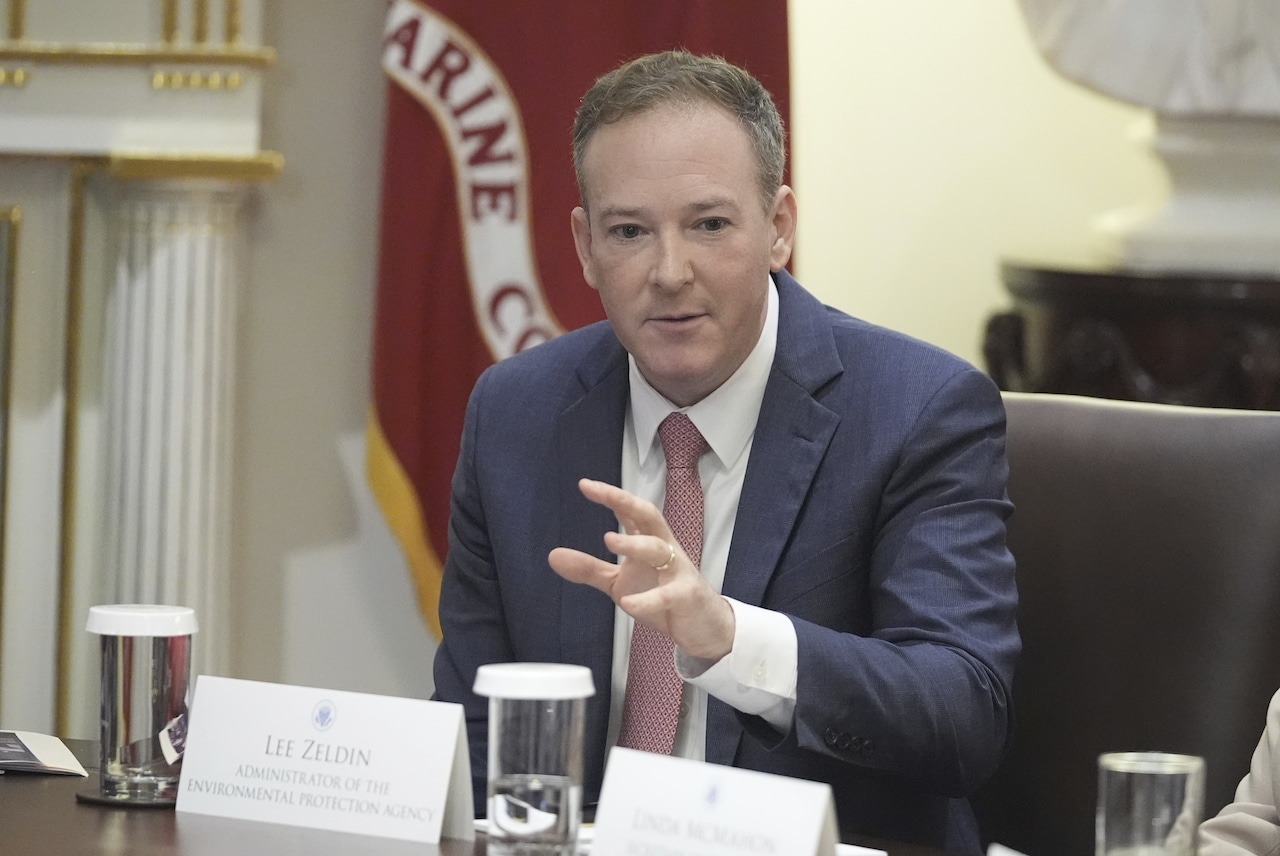
If asked to put a dollar amount on a loved one’s life, it’s priceless. Up until last month, the Environmental Protection Agency (EPA) estimated a monetary value of $11 to $13 million to human life in a cost-benefit analysis for air pollution regulations. As of last month, a human life has plummeted to zero dollars per the new EPA guidelines. I beg to differ. Every human life has value. This principle has been fought hard for by pioneers and heroes of public health and the environment, saving many lives and also many dollars. The new focus is to save industry money by decreasing regulations that have saved countless lives.
This rollback of policies meant to safeguard human health, the environment, and slow climate change will clearly and undoubtedly create disaster. Some public and environmental health advocates call it “a dangerous abdication of one of its (EPA) core missions.”
America became environmentally conscious in the 1960s. Starting with renowned marine biologist and conservationist Rachel Carson’s book on the harmful effects of pesticides. Multiple disasters involving air and water pollution took place, and an awareness that the Earth’s resources are finite led to the movement.
In the 1970s, the Environmental Protection Agency was formed to consolidate environmental responsibilities of the government under one agency. Its origin statement included, “It has no obligation to promote agriculture or commerce; only the critical obligation to protect and enhance the environment.” They set out to restore and preserve the quality of our air, water, and soil, working closely with industry and government.
The mission of the EPA is to protect human health and the environment. They work to give our country clean air, land, and water, and reduce environmental risks based on science and research. They also ensure that federal laws protect human health and the environment, are administered and enforced fairly, effectively and as Congress intended. They keep all aspects of society informed and readily have access to vital information. They clean up contaminated lands and toxic sites and review the safety of chemicals in the marketplace. They develop and enforce regulations, give grants, study environmental issues, sponsor partnerships, teach people about the environment and publish information.
It is complicated to understand and explain the value of a human life in terms of the EPA. It is mind-boggling to understand that the value of human life decreased to zero. The new focus is not on human life and a clean environment, but cost saving for compliance for industries’ pollution regulations. Ironically, research has shown that public health benefits out-weighed the cost of reducing air pollution by $77 and return to $1 cost.
The new EPA changes include eliminating climate and emission rules, easing regulations of power plants, reducing air pollution restrictions, reforming hydrofluorocarbons reduction timelines, reducing regulation on oil and natural gas infrastructure, and changing the definition of the Waters of the U.S. to narrow jurisdiction and reduce water protection. The aim is to boost energy production and the auto industry. Climate-focused language was removed from EPA websites, and research offices were reorganized.
Michelle Williams, professor of Epidemiology and Population Health at Stanford University and previous dean of the Harvard School of Public Health, states, ‘Public health … is the force that transformed America from a nation where children died in infancy, and workers perished in factories, to one where we take clean air, safe water and long lives for granted. We take them so much for granted, in fact, that we’ve forgotten they had to be fought for.”
She further states, “We are currently facing unprecedented challenges — climate change, pandemic preparedness, epidemics of chronic disease — that demand a robust public health response. Instead, the US is dismantling the very infrastructure that enabled Americans’ great escape from early death and preventable suffering.”
The ubiquitous photo of an unclothed child with twig-like extremities and protruding belly is well known to all. Without those who paved the way for a safe and clean environment in this country, that could be an American child. For another eye-opening example of the results of industry polluting the water supply, one only needs to watch the 2000 film, “Erin Brockovich,” which tells the true story of Pacific Gas and Electric Company polluting a town’s water supply.
Zero is a representation of the unknown, the void, the absence that still somehow exists. It is a place-holder for non-existence. Zero does not have a positive or negative value. Every life has value. This principle has been fought hard for. We cannot recklessly remove that value and the necessary protections of the health of Americans and our environment.
Take care of yourself and others.
Juanita Carnes is a nurse practitioner with 39 years of experience in a hospital emergency department and urgent care facilities. She served 30 years on the Board of Health in Westfield, Massachusetts.