
Universities are more than a collection of classrooms and labs where students and faculty generate knowledge and exchange ideas. They are durable civic assets that have deep connections to the local economy.
The UMass Amherst campus, for example, generates $2.9 billion in direct economic activity for the commonwealth, much of which, according to a 2023 economic impact report by the UMass Donahue Institute, is felt right here in western Massachusetts. Along with our Amherst campus, our Springfield, East Wareham, Gloucester and Newton locations offer the state a seven-to-one return on investment.
That economic activity happens in a myriad of ways. Universities attract faculty, staff, and students who generate economic benefits for local businesses and services. Providing community hubs that offer cultural enrichment and entertainment through the arts, sports, conferences and other events. They attract visitors, and they help shape local markets through construction projects, investment, and procurement.

But there’s so much more that a university can contribute that is directly tied to our mission. We can bring attention to critical issues and work with communities to solve public problems. We can be a positive force for change.
This fall, UMass Amherst launched an Economic Development Initiative to more formally leverage the university’s core missions — teaching, research, and service — to advance sustainable growth through talent cultivation, innovation and tech transfer, and community development in western Massachusetts.
We’ve gotten a head start by expanding degree completion pathways for workforce participation with Tech Foundry in Springfield and strengthened youth and STEAM pipelines with programs like TEACH 180 Days in Springfield, which combines graduate course work with full-time teaching.
There’s also the Energy Transition Institute (ETI), which connects experts from over 50 university departments with partner communities and organizations to create actionable climate solutions, and the Institute for Applied Life Sciences (IALS), which translates fundamental research into real-world, commercial products and therapies that improve human health and well-being.
IALS has already led to the development of vibrant startups like florrent, which makes next-gen high energy ultracapacitor modules, and Myrias Optics, a pioneering manufacturer of flat optics.
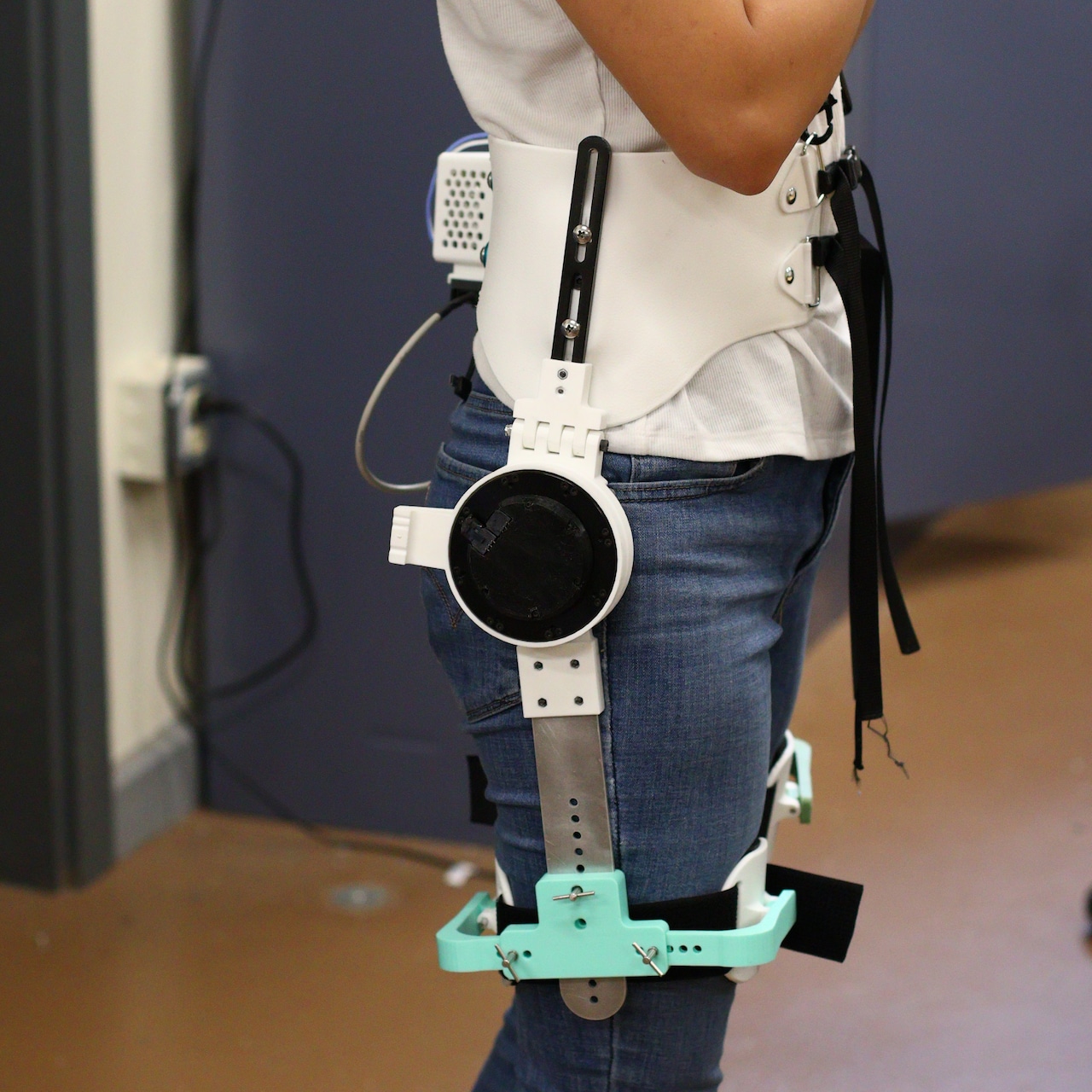
These major interdisciplinary, campus-wide research hubs are focused on translating academic research into real-world solutions, thereby creating new industries and jobs with a long-term economic benefit to the region that are not accounted for in the Donahue estimate.
We also are activating the Henry M. Thomas III Center in Springfield as a coworking/startup hub where like-minded individuals and businesses can converge, collaborate, and thrive. And we are exchanging ideas about economic development with regional public and private organization leaders, who are members of our Amherst Campus Council.
But there are challenges.
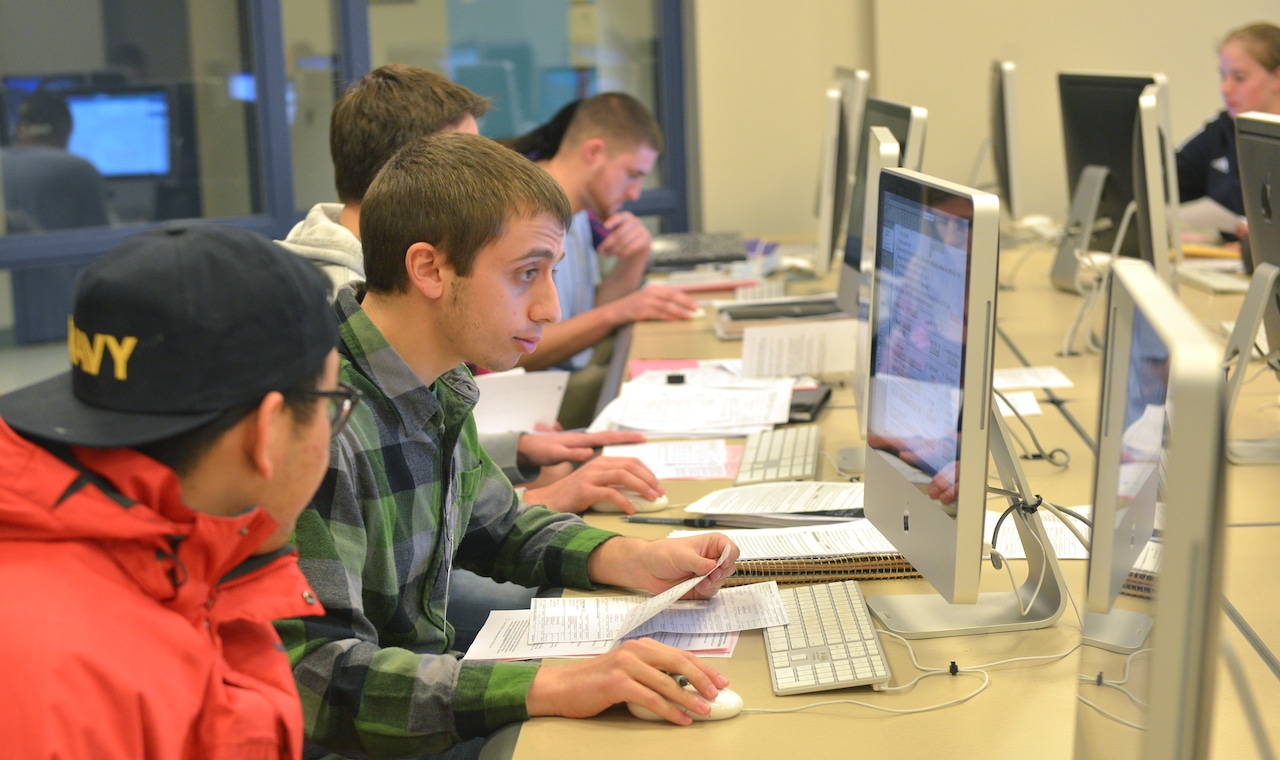
We are working with regional partners to develop collective responses — whether it’s devising ways to make it easier for students to travel to Springfield for internships, co-op experiences and project-based learning opportunities, or determining how to align curriculums with workforce needs.
We also need to assess how the university can support the commonwealth’s economic priorities that include investing in infrastructure and housing; retaining and attracting the world’s top talent; and supporting sectors that power the state’s economy — from health care to advanced manufacturing and robotics, climate technology — and envision the future of food and agriculture in western Massachusetts and beyond.
Thinking of a university as an economic engine might surprise some. But a dynamic education landscape, including rapid advancements in technology coupled with changing attitudes about the value of a college degree, requires new approaches.

As a land grant institution, we have a responsibility to our surrounding communities, and the commonwealth, especially as it relates to economic vitality. By engaging faculty and their research; leveraging the creativity and energy of our students; and working with the community, we can create a vision for the social and economic future of the region and our state. Fortunately, we have a great foundation on which to build for the future for western Massachusetts and the commonwealth.
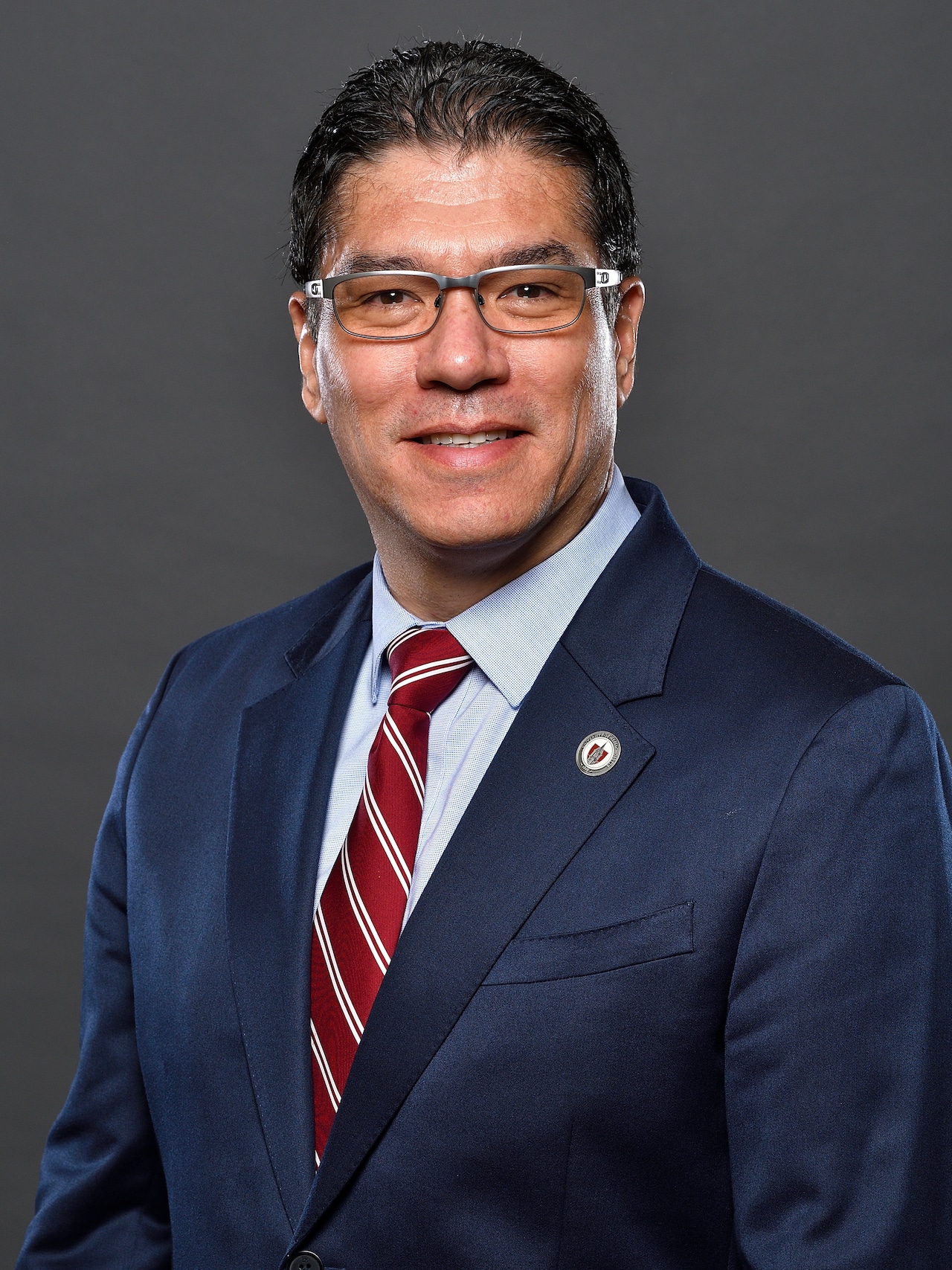
Javier Reyes is the chancellor of the University of Massachusetts Amherst.