

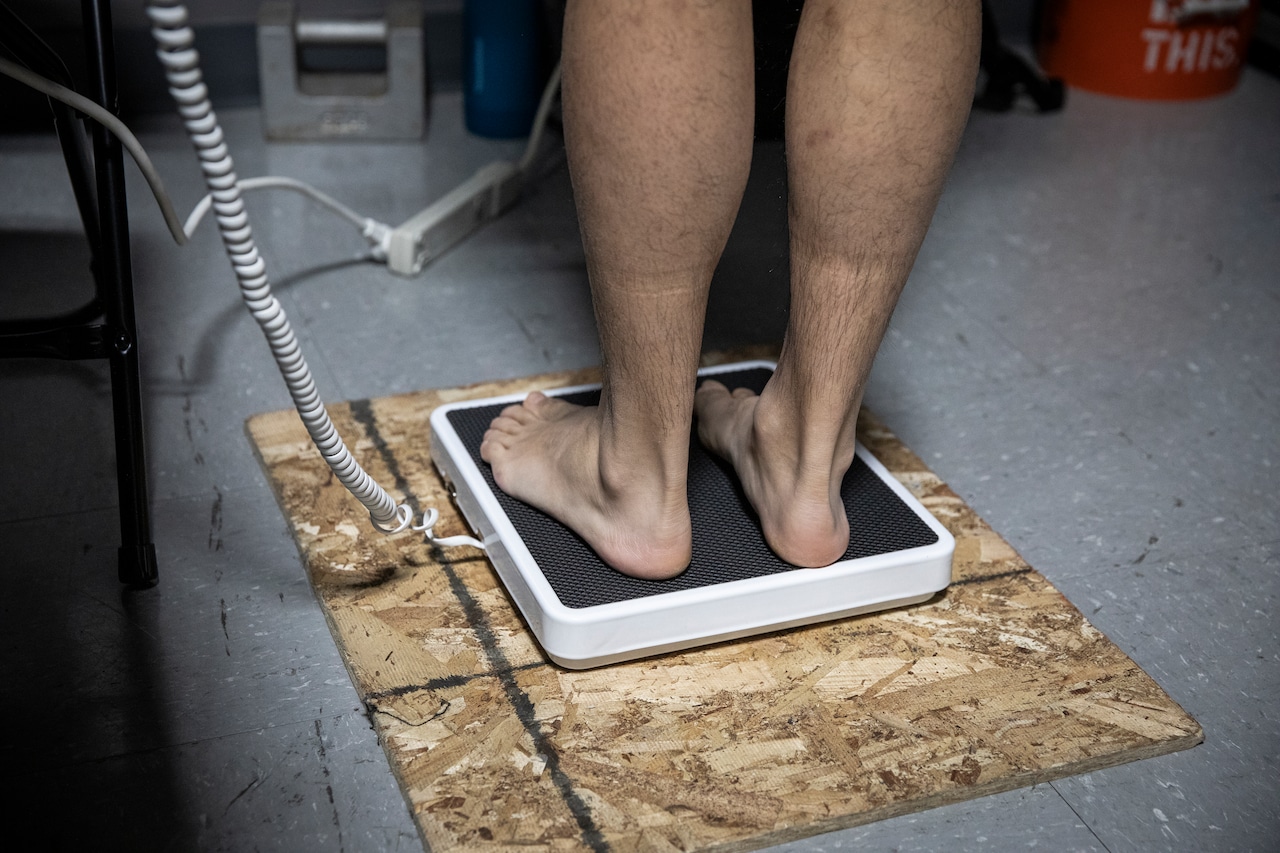
In 1883, body mass index, more commonly referred to as BMI, was first developed by a statistician who was trying to determine the average size of the European white male. He randomly used weight divided by height squared. It was never meant to be used to assess health. There is no scientific physiological reason to square a person’s height. A BMI below 18.5 supposedly means you are underweight, 18.5-24.9 is normal and over 30 is obese.
Body mass index is widely used to assess the human body’s obesity, health, fitness, eligibility as a surgical candidate or organ recipient, preventative medicine, eligibility for life insurance, fertility treatments, overall health assessment and more. It is an anthropometric — scientific study of the measurement and proportions of the human body — index commonly used in health care to assess disease risks. Yet it is conceptually invalid.
Despite that, in 1972, a physiologist used the body mass index to further his research on nutrition, weight and standardized weight tables. His study participants were all men also. His study was flawed and he drew conclusions that did not correlate with his findings. He did not intend it for medical use and admitted it was not the best indicator of body fat mass. In the 1980’s, insurance companies and the government started using BMI standards to define desirable weights for men and women. No scientific method was used to create weight based health categories.
BMI does not determine body fat percentage or distribution, muscle mass or more dangerous belly fat from other fat. Belly fat is associated with insulin resistance, metabolic and cardiovascular disease. It does not distinguish body type, age, gender or ethnicity. A person’s body fat varies based on these factors. A 200 lb female with diabetes and high blood pressure who lives an extremely sedentary life style with a diet of processed foods and soda may have the exact same BMI as a muscular 200 lb male athlete with a nutritious diet and work out plan of cardio and strength training.
Simple observation and common sense tells us that the human body is built to safely maintain a certain size. Too much mass, whether it is all muscle or all fat will lead to a negative health outcome.
It is generous to say BMI has limitations. It should never have been used as the sole way to diagnose obesity and health risks. Thankfully, scientists and medical professionals are moving away from using the BMI so generally. In 2023, the AMA released the statement about BMI — it is “an imperfect way to measure body fat in multiple groups given that it does not account for differences across race/ethnic groups, genders and age-span.” Many have an official diagnosis of obesity based solely on their BMI.
Years ago, eating disorders were rampant in girls and young women. My friend’s daughter is a thin, muscular athlete. At her 16-year physical she was advised that her BMI was too high and she needed to lose weight. To think that the medical community may be feeding into health problems based on inaccurate tools is embarrassing and frightening. Today, we are seeing the same in boys and young men.
Some clinicians support the continued use of BMI because it is easy to calculate and everything already relies on it. It is an argument I can’t even begin to grasp. It is inaccurate. How is that a rationale to keep using it? One clinician suggested we may look back and be shocked that we “based so much risk assessment on this very crude number.” We should all be shocked right now.
There are just too many variables between each individual to sum up each person’s health with a tidy, one size fits all equation. It is overly simplistic. It is similar to determining a car is in good shape by kicking the tire, its age or mileage. In addition to the inaccuracy, labelling people as obese based solely on their BMI may result in shaming individuals and put up barriers to care.
There are several different ways of obtaining a more accurate assessments that predicts the relationship between obesity and disease risks. There is no one indicator of a person’s overall health. It is important to know the history behind current guidelines and practices to assure clinical accuracy.
BMI has been so widely accepted, used and treated as though there is science behind it where there is none. It also suggests that there is a clear demarcation of underweight, ideal weight, overweight and obese where there is none. It’s time this inaccurate, potentially harmful label is eliminated from health care.
Take care of yourself and someone else.




